Categories
Tags
Archives
Market Trends Influencing the Demand for Combined Mobile Crushi
-
In recent years, the demand for combined mobile crushing plants has grown rapidly across global mining, quarrying, recycling, and infrastructure sectors. This growth is not accidental—multiple market trends have converged to make flexible, high‑performance mobile crushing solutions a strategic investment for businesses that require scalable production, lower operating costs, and rapid on‑site mobility. Additionally, the related category of mobile crusher plant equipment continues to expand, reinforcing industry shifts toward modular, efficient, and environmentally conscious crushing solutions.
1. Increasing Infrastructure and Construction Activity
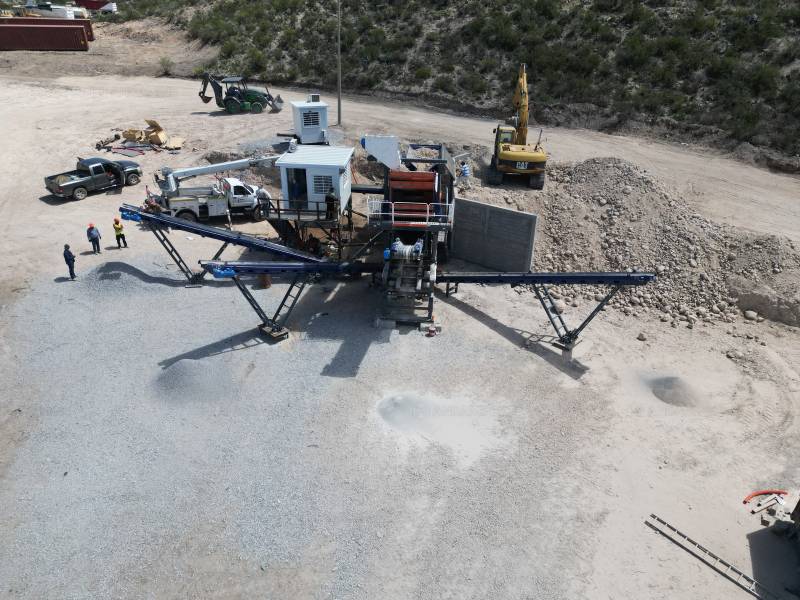
One of the primary drivers of worldwide demand for combined mobile crushing plants is sustained infrastructure development. Governments across Asia, Africa, the Middle East, and Latin America are investing heavily in transportation networks, urban housing, and industrial parks. These large‑scale projects require massive quantities of aggregate material, driving demand for crushing solutions that can be deployed quickly and efficiently.
Unlike stationary plants, combined mobile crushing plants are well‑suited to these projects because they eliminate the need to haul raw material long distances. Instead, materials can be processed directly at or near the point of extraction, reducing logistics costs and speeding up project timelines.
2. Shift Toward Flexible and Modular Crushing Solutions
Traditional stationary crushing plants are designed for long‑term operation in a fixed location. However, market demands have shifted toward more flexible and modular equipment. A combined mobile crushing plant integrates multiple crushing stages—such as primary and secondary crushing—on a single mobile platform. This reduces the footprint of the processing system and allows operators to adapt to changing site conditions seamlessly.
Simultaneously, the broader category of mobile crusher plant solutions has expanded to include a variety of configurations, such as tracked units, wheeled chassis designs, and hybrid systems with interchangeable modules. This modularity enables operators to match their equipment precisely to project requirements, maximizing efficiency and return on investment.
3. Growing Emphasis on Speed and Rapid Deployment
Global project timelines are tightening as competition increases and investors demand faster returns. Combined mobile crushing plants deliver strategic advantages in speed and mobility. They can be transported easily between sites and set up with minimal effort, enabling crushing and screening operations to begin faster than with traditional fixed plants.
This trend is particularly pronounced in remote regions where infrastructure is sparse. For mining operations in rugged terrain or for construction projects in remote areas, the ability to deploy a mobile crusher plant quickly can significantly reduce downtime and logistical challenges.
4. Rising Demand for On‑Site Recycling and Sustainable Practices
Environmental sustainability is increasingly shaping equipment buying decisions. Combined mobile crushing plants are ideal for recycling applications because they can process demolition debris, concrete, asphalt, and other reclaimed materials directly on site. This reduces landfill waste, cuts transportation emissions, and provides recycled aggregate that meets project specifications.
The integration of mobile recycling crushers within the mobile crusher plant family also reflects broader industry trends toward circular economy practices. As governments impose stricter recycling mandates and construction standards evolve to value recycled content, demand for mobile recycling solutions is rising in tandem with other mobile crushing technologies.
5. Technological Advancements and Automation
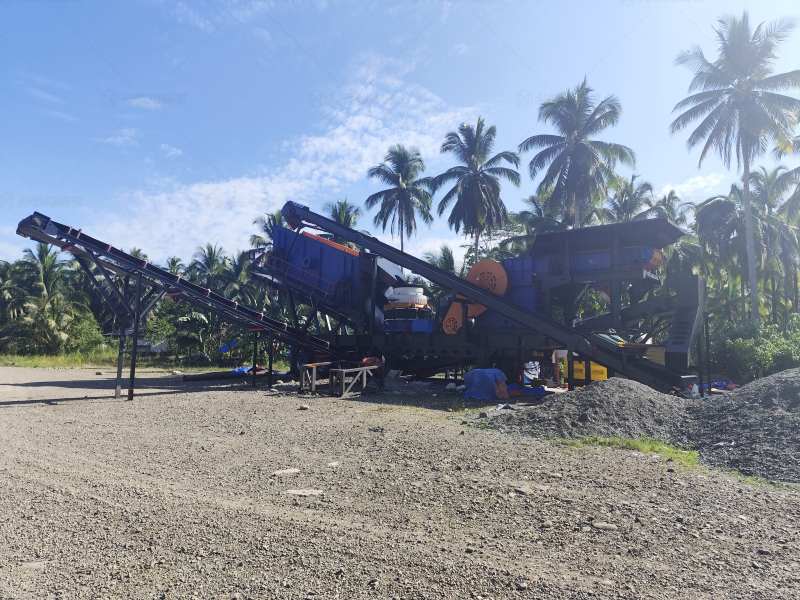
Technological innovation is another influential trend. Modern combined mobile crushing plants come equipped with advanced automation, remote monitoring, and efficiency‑focused control systems. These technologies enhance plant performance, reduce operator error, and optimize fuel consumption.
Connectivity features allow real‑time data tracking, predictive maintenance, and improved safety monitoring—an especially valuable advantage for large operations with multiple plants across different locations. Furthermore, manufacturers are now integrating AI‑assisted control logic that adapts feed rates and crusher settings automatically, ensuring peak efficiency across varied material types.
6. Economic Pressures and Cost Optimization
Economic conditions affect capital investment decisions in heavy industry. With increasing pressure to control operating costs, many companies are turning to mobile crushing plant solutions because they generally require less civil work, infrastructure investment, and installation time compared to stationary plants.
Combined mobile crushing plants also reduce personnel costs by consolidating multiple functions into unified systems. For example, a single combined unit may replace a primary jaw crusher, secondary impact crusher, and associated conveyors—all on a mobile platform—thus minimizing equipment overhead and simplifying maintenance.
7. Expansion in Emerging Markets
Emerging markets in regions such as Southeast Asia, Sub‑Saharan Africa, and South America are key growth areas for combined mobile crushing plants. Rapid urbanization, expanding extractive industries, and new infrastructure frameworks are creating significant demand for mobile equipment that can support construction material production without extensive site preparation.
Local governments and private developers often favor mobile crusher plant systems because they align with phased project execution—allowing initial crushing capacity to scale up as projects expand rather than requiring large upfront capital expenditures.
8. Competitive Manufacturer Landscape and Product Diversification
Market competition among equipment manufacturers has intensified innovation and broadened product offerings. A growing number of suppliers provide combined mobile crushing plants with different capacities, crushing technologies (jaw, cone, impact), and customization options. This competitive environment drives cost efficiencies and encourages the development of specialized solutions tailored to niche applications.
Conclusion
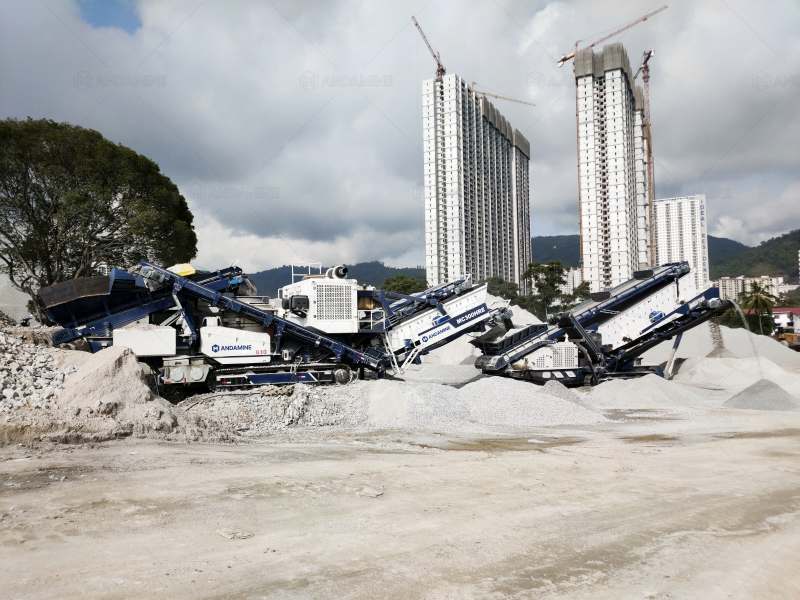
Across global markets, combined mobile crushing plants are becoming a strategic asset in construction, mining, recycling, and infrastructure development. Fueled by trends such as rapid infrastructure growth, technological innovation, sustainability demands, and cost optimization pressures, the demand for combined mobile crushing plants and related mobile crusher plant solutions continues to strengthen.
For businesses navigating competitive project environments, understanding these market trends is critical. Investing in flexible, efficient, and technologically advanced crushing systems not only enhances operational performance but also delivers long‑term value in evolving global markets.


