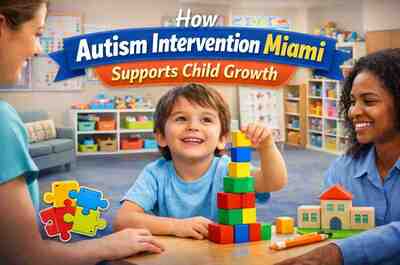
How Autism Intervention Miami Supports Child Growth
-
Supporting a child with autism involves understanding their unique needs and providing structured, evidence-based care that nurtures development. Autism Intervention Miami services play a crucial role in helping children build essential life skills, improve communication, and gain independence. With a range of therapeutic approaches available, families can access tailored support designed to promote long-term growth.
This article explores how autism intervention services in Miami contribute to a child’s development and why early, consistent support is so impactful.
Understanding Autism Intervention
Autism intervention refers to a variety of therapies and strategies designed to help children with autism spectrum disorder (ASD) develop social, behavioral, and communication skills. These interventions are often personalized, focusing on the child’s strengths while addressing specific challenges.
Programs may include behavioral therapy, speech therapy, occupational therapy, and social skills training. The goal is not to change who the child is, but to equip them with tools that make daily life more manageable and fulfilling.
The Importance of Early Intervention

One of the most significant factors in supporting child growth is starting intervention early. Research consistently shows that children who receive services at a young age tend to make greater progress in key developmental areas.
Early Autism Intervention Miami programs focus on foundational skills such as:
- Eye contact and social engagement
- Language and communication
- Emotional regulation
- Basic learning readiness
By addressing these areas early, children are better prepared for school environments and social interactions.
Building Communication Skills
Communication is often one of the primary challenges for children with autism. Intervention programs use structured techniques to help children express their needs, understand others, and engage in meaningful interactions.
These may include:
- Verbal communication training
- Nonverbal communication methods (such as gestures or visual aids)
- Augmentative and alternative communication (AAC) tools
Through consistent practice, children can develop stronger communication abilities, reducing frustration and improving relationships with caregivers and peers.
Enhancing Social Development
Social skills do not always come naturally to children with autism, but they can be learned with guided support. Intervention programs often include activities that teach children how to:
- Take turns during play
- Recognize social cues
- Initiate and maintain conversations
- Build friendships
Autism Intervention Miami services often incorporate group sessions or peer-based learning, allowing children to practice these skills in real-life settings. Over time, this leads to increased confidence and better social integration.
Encouraging Positive Behaviors
Behavioral challenges can sometimes interfere with a child’s ability to learn and interact. Intervention strategies focus on understanding the reasons behind behaviors and teaching more appropriate alternatives.
For example, a child who struggles with transitions may be taught coping strategies or provided with visual schedules. Positive reinforcement techniques are commonly used to encourage desired behaviors and reduce those that may be disruptive.
This structured approach helps children develop self-control and adaptability, both of which are essential for long-term success.
Supporting Daily Living Skills
Independence is a key goal of autism intervention. Programs often include training in everyday tasks that help children become more self-sufficient.
These skills may include:
- Dressing and personal hygiene
- Eating independently
- Following routines
- Completing simple household tasks
By gradually building these abilities, children gain confidence and a sense of accomplishment. Over time, this contributes to greater independence in adolescence and adulthood.
Individualized Treatment Plans
No two children with autism are the same, which is why personalized intervention plans are essential. Professionals assess each child’s abilities, challenges, and learning style to create a customized program.
This individualized approach ensures that therapy is both effective and engaging. It also allows for adjustments over time as the child grows and their needs evolve.
Families play an important role in this process, often working alongside therapists to reinforce strategies at home.
Family Involvement and Support
Successful intervention extends beyond therapy sessions. Parents and caregivers are key partners in supporting a child’s development.
Many Autism Intervention Miami programs provide parent training and resources, helping families:
- Understand their child’s behavior
- Apply strategies consistently at home
- Create supportive routines
- Advocate for their child’s needs
When families are actively involved, children benefit from a consistent and encouraging environment that reinforces learning.
Long-Term Benefits of Autism Intervention
The impact of early and consistent intervention can be life-changing. Children who receive structured support often experience improvements in:
- Communication and language skills
- Social relationships
- Academic readiness
- Emotional regulation
- Independence
While progress varies for each child, the overall goal is to help them reach their full potential and lead meaningful lives.
Conclusion
Autism Intervention Miami services provide essential support for children with autism, focusing on building skills that promote growth, independence, and well-being. Through early intervention, personalized plans, and family involvement, these programs create a strong foundation for lifelong development.
By addressing communication, behavior, social skills, and daily living abilities, autism intervention empowers children to navigate the world with greater confidence and capability.
Discover how Autism Intervention Miami supports child growth. Learn more with Behavior Analysis Inc today.
FAQs
1. What is autism intervention?
Autism intervention includes therapies and strategies designed to help children with autism develop communication, social, and daily living skills.
2. At what age should intervention begin?
Early intervention is recommended, often starting as young as 2–3 years old, but children of any age can benefit from support.
3. What therapies are included in autism intervention?
Common therapies include behavioral therapy, speech therapy, occupational therapy, and social skills training.
4. How long does autism intervention last?
The duration varies depending on the child’s needs, but many programs are ongoing and adapt as the child grows.
5. Can parents be involved in the intervention process?
Yes, parent involvement is highly encouraged and often includes training to reinforce strategies at home.


