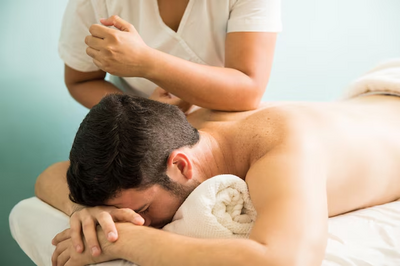
Post-Marathon Recovery: Why Runners Choose Deep Tissue Massage
-
Running a marathon is a huge achievement. It takes months of training. It takes discipline. It pushes the body to its limit. But the race does not end at the finish line. After 26.2 miles, your muscles feel tight. Your legs feel heavy. You may struggle to walk down stairs. This is normal. Your body has gone through stress and strain.
Many athletes now book a deep tissue massage to speed up recovery. They know rest alone is not enough. Proper recovery helps them return to training faster and stronger. Let’s explore why this treatment is so popular among runners.
What Happens to Your Muscles After a Marathon?
Your muscles work hard during a race. Every step creates force. Over thousands of steps, that force builds up.
Micro-Tears in Muscle Fibres
Long-distance running creates small tears in muscle fibres. This is part of training. It helps muscles grow stronger. But it also causes soreness.
This soreness is called delayed onset muscle soreness, or DOMS. It often peaks 24 to 48 hours after the race.
Inflammation and Swelling
Your body responds to stress with inflammation. Blood rushes to the area. Fluid builds up. Muscles feel tender and tight.
Common problem areas include:
-
Calves
-
Hamstrings
-
Quadriceps
-
Glutes
-
Achilles tendon
Reduced Circulation
After intense effort, circulation can slow down in tight tissues. Waste products like lactic acid may linger. This can increase stiffness.
Without proper treatment, tight fascia and scar tissue may develop. This can limit movement. It can also increase injury risk.
What Is Deep Tissue Massage?
Deep tissue massage is a focused therapy. It targets the deeper layers of muscle and connective tissue.
It uses slow strokes. It uses firm pressure. The goal is to release tension and restore movement.
Unlike a relaxing massage, this treatment works on chronic tightness. It helps break down adhesions. It improves blood flow.
Many runners choose a deep tissue massage in Portsmouth because it addresses real muscle damage, not just surface tension.
Techniques Often Used
A professional therapist may use:
-
Trigger point therapy
-
Myofascial release
-
Cross-fibre friction
-
Sustained deep pressure
These methods help lengthen tight muscle fibres. They also support healing.
7 Key Benefits for Marathon Runners
1. Faster Muscle Recovery
Improved circulation is key. Better blood flow delivers oxygen and nutrients to damaged tissue. It also removes waste products.
This helps muscles repair more quickly.
2. Reduced DOMS
Deep pressure helps reduce soreness. Many runners report less stiffness within days.
This means you can return to light training sooner.
3. Breakdown of Scar Tissue
Scar tissue forms after repeated strain. It limits flexibility. It can cause pain.
Massage helps break these adhesions. This improves movement patterns.
4. Improved Flexibility
Tight muscles restrict range of motion. This affects stride length. It also impacts running form.
Regular sessions improve flexibility. They support better biomechanics.
5. Injury Prevention
Common running injuries include:
-
IT band syndrome
-
Shin splints
-
Runner’s knee
-
Plantar fasciitis
Tight tissue pulls joints out of alignment. A deep tissue massage in Portsmouth can help reduce these risks by keeping muscles balanced.
6. Better Athletic Performance
Recovery is part of training. When muscles recover well, performance improves.
Runners who include massage in their routine often notice stronger runs and fewer setbacks.
7. Mental Relaxation
Marathon training is stressful. The race itself is intense.
Massage calms the nervous system. It reduces cortisol levels. It promotes relaxation.
This mental reset is just as important as physical repair.
When Should You Book a Session?
Timing matters.
Some runners prefer a light flush massage within 24 hours. Others wait 48 to 72 hours for deeper work.
Deep pressure too soon can increase inflammation. A trained therapist will advise you.
Signs you may need treatment include:
-
Persistent tightness
-
Reduced mobility
-
Muscle knots
-
Pain when walking
Many athletes schedule a deep tissue massage in Portsmouth within the first week after race day. Others book regular sessions during the training season.
Consistency is key.
Why Portsmouth Runners Trust Professional Treatment
Portsmouth has a strong running community. Events like the Great South Run attract thousands each year. Coastal routes in Southsea are always busy with runners.
With more people training for endurance events, demand for recovery services has grown.
Choosing the right therapist matters.
Look for Proper Qualifications
A qualified therapist understands anatomy. They know how muscles respond to endurance stress. They can identify trigger points linked to running gait.
Experience With Athletes
Sports-focused experience makes a difference. Runners have unique strain patterns. Calves and hip flexors are common problem areas.
Booking a deep tissue massage with an experienced professional ensures treatment is tailored to your sport.
Clean and Professional Environment
Hygiene and comfort are essential. A calm setting supports relaxation and healing.
Deep Tissue Massage vs Sports Massage
Many runners ask about the difference.
Sports massage often focuses on performance preparation. It may include stretching and dynamic movements.
Deep tissue massage works more slowly. It focuses on chronic tension and deeper muscle layers.
Both have value. After a marathon, deeper work is often more beneficial.
If you are unsure, speak to a therapist. They will assess your condition and suggest the right option.
What to Expect During Your Session
Your appointment should begin with a short consultation. The therapist will ask about your race, training load, and pain areas.
Pressure should be firm but controlled. Some discomfort is normal. Sharp pain is not.
Communication is important. Always speak up if pressure feels too intense.
A deep tissue massage in Portsmouth typically lasts 60 to 90 minutes. Key muscle groups will be targeted.
After the session, you may feel:
-
Looser
-
Slightly tender
-
Relaxed
Drink plenty of water. Gentle walking can help maintain circulation.
How to Maximise Results After Massage
Massage works best as part of a wider recovery plan.
Follow these simple steps:
-
Stay hydrated
-
Eat protein-rich meals
-
Get enough sleep
-
Do light stretching
-
Avoid intense training for 24 hours
Foam rolling can also help between sessions.
When combined with smart training, massage supports long-term progress.
Making Recovery Part of Your Training Plan
Too many runners focus only on mileage. They push harder each week. They ignore recovery until pain appears. This is a mistake. Recovery protects your investment of time and effort. It reduces injury risk. It improves performance. Many local athletes now schedule regular sessions throughout marathon season. A deep tissue massage in Portsmouth is no longer seen as a luxury. It is part of serious training. If you are preparing for your next event, think beyond the finish line. Plan your recovery before race day arrives.
-


