Understanding Hair Structure and Growth Cycle
-
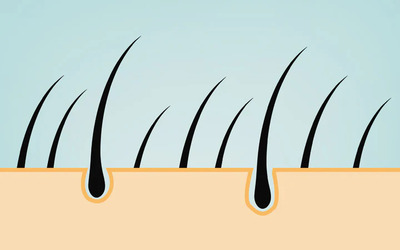
Before diving into solutions, it’s essential to understand how hair works. Each strand of hair originates from a follicle beneath the scalp. Hair growth occurs in three main phases:
-
Anagen (Growth Phase): Lasts 2–7 years
-
Catagen (Transition Phase): Lasts about 2 weeks
-
Telogen (Resting Phase): Lasts around 3 months
At any given time, about 85–90% of your hair is in the growth phase. However, factors like stress, hormonal imbalance, and poor nutrition can disrupt this cycle, leading to excessive shedding.
Healthy hair begins at the scalp level. When follicles are nourished properly, they produce stronger and thicker strands. This is where focusing on tress roots becomes critical, as they determine the overall quality of your hair.
Common Causes of Hair Damage
Hair damage doesn’t happen overnight. It’s usually the result of prolonged exposure to harmful habits and environmental conditions.
1. Nutritional Deficiencies
A lack of essential nutrients like iron, biotin, protein, and vitamins can weaken hair follicles, leading to hair fall and slow growth.
2. Excessive Heat Styling
Frequent use of straighteners, curlers, and blow dryers strips moisture from the hair, making it brittle and prone to breakage.
3. Chemical Treatments
Hair coloring, bleaching, and rebonding weaken the hair shaft and damage its natural structure.
4. Stress and Hormonal Imbalance
High stress levels and hormonal changes can push hair follicles into the resting phase prematurely, causing shedding.
5. Pollution and Scalp Build-Up
Dirt, oil, and pollutants clog hair follicles, preventing healthy growth.
Essential Nutrients for Hair Strength
A balanced diet is one of the most powerful tools for maintaining strong hair. Here are key nutrients that directly impact hair health:
Protein
Hair is primarily made of keratin, a type of protein. Including adequate protein in your diet supports hair growth and reduces breakage.
Sources: Eggs, chicken, lentils, tofu
Iron
Iron deficiency is one of the leading causes of hair fall, especially in women.
Sources: Spinach, red meat, legumes
Biotin
Biotin improves hair elasticity and reduces thinning.
Sources: Nuts, seeds, bananas
Omega-3 Fatty Acids
These healthy fats nourish hair follicles and promote shine.
Sources: Fish, flaxseeds, walnuts
Vitamin D
Low levels of vitamin D are linked to hair loss conditions like alopecia.
Sources: Sunlight, fortified foods, dairy
Natural Remedies for Healthier Hair
While commercial products can offer temporary results, natural remedies focus on long-term hair health.
1. Coconut Oil Massage
Coconut oil penetrates the hair shaft and reduces protein loss. Regular scalp massages improve blood circulation and strengthen follicles.
2. Aloe Vera Treatment
Aloe vera soothes the scalp and reduces dandruff, creating a healthy environment for hair growth.
3. Onion Juice
Rich in sulfur, onion juice boosts collagen production and promotes regrowth.
4. Fenugreek Masks
Fenugreek seeds are packed with protein and nicotinic acid, which help reduce hair thinning.
5. Green Tea Rinse
Green tea contains antioxidants that stimulate hair growth and reduce shedding.
Daily Hair Care Routine That Works
Consistency is key when it comes to hair care. A simple yet effective routine can significantly improve hair quality.
Gentle Cleansing
Use a mild, sulfate-free shampoo 2–3 times a week to avoid stripping natural oils.
Conditioning
Always follow up with a conditioner to lock in moisture and prevent tangling.
Avoid Tight Hairstyles
Tight ponytails and buns can cause traction alopecia, leading to hair loss.
Use a Wide-Tooth Comb
This minimizes breakage, especially when hair is wet.
Limit Heat Exposure
Let your hair air dry whenever possible and use heat protectants when styling.
The Role of Scalp Health
Healthy hair starts with a healthy scalp. Think of your scalp as soil—if it’s nourished and clean, hair will grow stronger.
Exfoliation
Regular scalp exfoliation removes dead skin cells and product build-up.
Hydration
Keeping your scalp hydrated prevents dryness and flakiness.
Balanced Oil Production
Both excessive oil and dryness can disrupt hair growth.
Paying attention to your scalp ensures that the tressroots remain strong and capable of supporting healthy hair growth over time.
Lifestyle Changes That Improve Hair Quality
Hair care is not just about external treatments. Your lifestyle plays a significant role.
Manage Stress
Practices like yoga, meditation, and regular exercise help regulate hormones and reduce hair fall.
Stay Hydrated
Water is essential for maintaining hair moisture and elasticity.
Get Enough Sleep
Poor sleep affects cell regeneration, including hair follicles.
Avoid Smoking and Alcohol
These habits reduce blood circulation and nutrient supply to hair follicles.
Myths vs Facts About Hair Care
Myth 1: Cutting Hair Frequently Makes It Grow Faster
Fact: Hair growth occurs at the scalp, not at the ends.
Myth 2: Oil Can Completely Stop Hair Fall
Fact: Oil helps nourish hair but cannot address underlying medical causes.
Myth 3: Brushing Hair 100 Times a Day Is Good
Fact: Over-brushing can cause breakage and damage.
Myth 4: Natural Products Always Work Better
Fact: Not all natural remedies are effective; results depend on consistency and suitability.
When to Seek Professional Help
If you experience severe hair fall, sudden thinning, or bald patches, it’s important to consult a dermatologist or trichologist. Conditions like alopecia, thyroid disorders, or nutritional deficiencies require medical attention.
Early diagnosis can prevent long-term damage and improve recovery outcomes.
Advanced Treatments for Hair Restoration
For those looking for faster or more targeted results, modern treatments can be effective:
PRP Therapy (Platelet-Rich Plasma)
Uses your blood’s growth factors to stimulate hair follicles.
Hair Transplant
A surgical option for restoring hair in bald areas.
Laser Therapy
Low-level laser therapy stimulates hair growth at the cellular level.
These treatments should always be done under professional guidance.
Building a Sustainable Hair Care Strategy
The key to long-lasting hair health is consistency and balance. Instead of chasing quick fixes, focus on building habits that support your hair over time.
Combine Internal and External Care
Nutrition and topical treatments should go hand in hand.
Track Your Progress
Hair growth takes time-monitor changes over months, not weeks.
Avoid Overloading Products
Using too many products can do more harm than good.
Personalize Your Routine
What works for someone else may not work for you. Understand your hair type and needs.
Conclusion
Achieving strong, healthy hair is not about using the most expensive products or following every trend. It’s about understanding your hair, nourishing it from within, and maintaining a consistent care routine.
By focusing on scalp health, balanced nutrition, and mindful habits, you can significantly improve your hair’s strength and appearance. Whether you’re dealing with hair fall, dryness, or slow growth, small changes can lead to noticeable results over time.
Remember, true hair health begins at the roots—and when you care for them properly, everything else falls into place.
-


