Porcelain Pool Tile: Premium Performance and Timeless Beauty
-
Swimming pool design involves numerous material selections that collectively determine both aesthetic character and long-term performance. Among the various tile options available for pool interiors, waterlines, and surrounding hardscape, porcelain has emerged as an increasingly popular choice combining exceptional durability with diverse design possibilities and technical advantages surpassing traditional ceramic alternatives. Understanding porcelain pool tile requires examining what distinguishes porcelain from other tile materials, its specific performance characteristics in aquatic environments, design versatility, installation considerations, and maintenance requirements that make this premium material worthy of serious consideration for quality pool installations.
Whether building new pools, renovating existing installations, or evaluating material options for various pool applications, understanding porcelain's unique properties helps ensure informed decisions that deliver lasting satisfaction.
What Makes Porcelain Tile Different
Porcelain represents a specific category within the ceramic tile family, distinguished by manufacturing processes and material composition that create superior performance characteristics compared to standard ceramic products.
Manufacturing differences begin with raw material selection. Porcelain uses refined, purified clays and minerals creating denser, more uniform material. The mixture is pressed under higher pressure than standard ceramic, then fired at higher temperatures approaching 2,400 degrees Fahrenheit. This intensive process vitrifies material into extremely dense, glass-like composition with minimal porosity.
Water absorption rates provide the technical distinction between porcelain and ceramic. True porcelain absorbs less than 0.5% of its weight in water, while standard ceramic may absorb three percent or more. This low absorption results from porcelain's dense structure with minimal air pockets or voids allowing water penetration. In pool applications where tiles remain continuously exposed to water, this impermeability prevents problems including freeze-thaw damage, staining, and structural degradation affecting more porous materials.
Density and hardness exceed standard ceramic making porcelain more resistant to chipping, scratching, and wearing. This durability proves particularly valuable in pools where tiles experience chemical exposure, temperature fluctuations, and physical contact from swimmers, cleaning equipment, and objects.
Color consistency throughout tile thickness means chips or surface wear don't reveal different-colored substrates as can occur with surface-glazed ceramic. Through-body porcelain features color throughout the entire tile, while glazed porcelain provides surface decoration over porcelain body rather than standard ceramic base.
Frost resistance makes porcelain suitable for cold climates where freeze-thaw cycles destroy more porous materials. The material's minimal water absorption prevents ice formation within tile structure that causes cracking and spalling.
Dimensional stability means porcelain maintains precise sizing and minimal warping even after high-temperature firing. This consistency simplifies installation and allows tighter grout joints creating refined appearance.
For comprehensive porcelain selections coordinating with other premium pool finishing materials, exploring options to buy pool tile reveals integrated product systems ensuring compatible aesthetics and performance across diverse applications.
Performance Advantages in Pool Applications
Porcelain's unique properties translate into specific performance advantages that benefit pool installations particularly.
Chemical resistance allows porcelain to withstand aggressive pool treatments including chlorine, bromine, salt systems, and pH-adjusting chemicals without degradation or discoloration. Standard ceramic and some natural stones deteriorate under prolonged chemical exposure, while porcelain maintains integrity indefinitely.
Stain resistance results from non-porous surfaces preventing absorption of body oils, sunscreen, minerals, and other substances that discolor more porous materials. Waterline areas particularly benefit from this characteristic as they concentrate staining agents at water surfaces.
Fade resistance ensures colors remain vibrant despite intense UV exposure that would bleach lesser materials. Through-body porcelain maintains color even if surface glazes eventually wear, while quality glazed porcelain uses stable pigments resisting solar degradation.
Thermal shock resistance allows porcelain to withstand rapid temperature changes without cracking. This property proves valuable in spas where water temperatures vary significantly and in pools experiencing temperature fluctuations between day and night or seasons.
Slip resistance can be engineered into porcelain through textured surfaces and specialized finishes creating safe walking surfaces despite wet conditions. While polished porcelain becomes slippery when wet, textured and matte finishes provide adequate traction for pool decks, steps, and other applications where slip resistance matters critically.
Longevity under demanding conditions means properly installed porcelain serves reliably for decades without requiring replacement. This extended lifespan justifies higher initial investment through superior lifecycle value compared to materials requiring earlier replacement.
Low maintenance requirements result from stain resistance and ease of cleaning. Most soiling wipes away easily, while porcelain tolerates strong cleaning agents when necessary without damage concerns applicable to delicate materials.
Design Versatility and Aesthetic Options
Modern porcelain manufacturing creates virtually unlimited design possibilities spanning traditional to contemporary aesthetics across diverse colors, patterns, and formats.
Solid colors range from classic pool blues and whites to sophisticated grays, bold blacks, earth tones, and vibrant accent colors. Through-body porcelain provides authentic solid color throughout tile thickness, while glazed versions offer even broader color selections including specialty finishes.
Stone-look porcelain replicates natural materials including marble, travertine, slate, limestone, and granite with remarkable authenticity. Advanced digital printing and surface texturing create convincing stone appearances at fraction of natural stone cost while delivering superior performance and easier maintenance. These realistic alternatives appeal to those desiring stone aesthetics without natural material's maintenance demands.
Wood-look porcelain brings wood's warmth to pool surrounds without actual wood's vulnerability to moisture. These innovative tiles create boardwalk aesthetics, natural decking appearance, or contemporary wood accents in areas where real wood would quickly deteriorate.
Patterned and decorative porcelain features geometric designs, floral motifs, Moroccan patterns, or custom graphics creating focal points and artistic expressions. Digital printing technology enables remarkably detailed imagery including photographic reproduction.
Large-format tiles in dimensions up to several feet square create contemporary, minimalist installations with minimal grout lines. These substantial tiles suit modern design aesthetics while reducing installation time and grout maintenance compared to smaller formats.
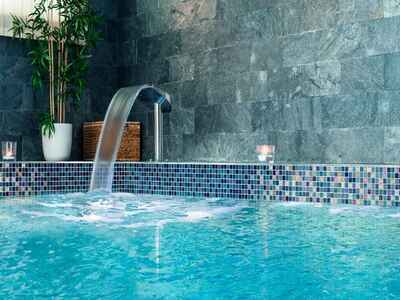
Mosaic porcelain in small formats including penny rounds, hexagons, and traditional squares creates intricate surfaces with significant visual texture. Pre-mounted mesh-backed sheets simplify installation while enabling complex patterns.
Specialty shapes including subway tiles, arabesque, fish scales, and geometric configurations provide design interest through form beyond color and pattern alone.
Application Areas in Pool Environments
Porcelain's versatility suits numerous pool applications from submerged interiors to surrounding hardscape.
Pool interiors finished entirely in porcelain create durable, beautiful surfaces maintaining appearance indefinitely. While requiring more extensive installation than simple plaster finishes, porcelain provides superior longevity and aesthetic options justifying premium investment in high-end installations.
Waterline tile represents porcelain's most common pool application, creating attractive, easily maintained bands at water level where visibility and exposure concentrate. Porcelain's stain resistance proves particularly valuable in this demanding location.
Steps and benches benefit from porcelain's slip-resistant finishes and durability. Textured porcelain provides safe footing on horizontal surfaces while coordinating aesthetically with other pool finishes.
Spa interiors where elevated temperatures and chemical concentrations intensify exposure conditions particularly benefit from porcelain's thermal and chemical resistance. The material withstands spa environments that would quickly deteriorate lesser alternatives.
Pool decks and coping using slip-resistant porcelain create cohesive designs extending interior aesthetics to surrounding areas. Coordinating interior and exterior tiles through matching or complementary selections unifies overall pool environment.
Water features including spillways, sheer descents, and decorative fountains showcase porcelain's beauty while benefiting from its performance characteristics in continuously wet applications.
Installation Requirements and Considerations
Proper porcelain installation requires specific techniques and materials ensuring successful results matching the material's premium positioning.
Substrate preparation demands particular attention as porcelain's density and minimal flexibility make it less forgiving of substrate imperfections than softer ceramic. Surfaces must be smooth, flat, structurally sound, and properly prepared for tile adhesion.
Specialized thin-set adhesives formulated for porcelain provide appropriate bond strength accommodating the material's density and low porosity. Using correct adhesive proves critical for preventing installation failures particularly in demanding pool environments.
Large-format tile installation requires advanced techniques including back-buttering tiles, ensuring complete adhesive coverage, and maintaining proper lippage control. Professional installation becomes increasingly important as tile sizes increase.
Cutting porcelain requires diamond blades and proper equipment due to material hardness. Quality wet saws with porcelain-appropriate blades produce clean cuts without chipping or cracking.
Grouting considerations include selecting appropriate grout types and colors complementing overall design. Epoxy grout provides superior stain resistance and durability in demanding pool applications though requires skilled application.
Expansion joints accommodate thermal movement preventing stress cracks. Proper joint placement and materials ensure installations accommodate dimensional changes without damage.
Professional installation ensures proper technique, appropriate materials, and warranty coverage. While porcelain material costs more than ceramic, professional installation maximizes this investment through proper execution.
Maintenance and Care
Porcelain's low-maintenance reputation proves accurate with minimal care requirements maintaining pristine appearance through years of use.
Routine cleaning involves simple wiping or brushing with water and mild detergent removing most soiling. The non-porous surface releases dirt easily without penetrating stains.
Calcium removal in hard water areas uses appropriate acid-based cleaners dissolving mineral deposits without damaging porcelain or grout. The material tolerates stronger cleaning agents than delicate alternatives.
Grout maintenance requires periodic cleaning and occasional sealing particularly when using cement-based rather than epoxy grout. While porcelain itself needs no sealing, protecting grout maintains installation appearance.
Professional cleaning services can restore heavily soiled installations though proper routine maintenance generally prevents need for intensive intervention.
Conclusion
Porcelain pool tile represents premium material choice offering exceptional durability, extensive design versatility, and technical performance advantages that justify higher initial investment through superior lifecycle value, minimal maintenance requirements, and enduring beauty that serves pools reliably for decades. Through manufacturing processes creating dense, non-porous material with remarkable strength and chemical resistance, combined with modern design technologies enabling unlimited aesthetic expressions from realistic stone replication to contemporary patterns, porcelain suits diverse applications from complete pool interiors to waterlines, steps, and surrounding hardscape. Whether prioritizing longevity in demanding aquatic environments, seeking specific aesthetic effects, or simply wanting the best-performing materials available, porcelain delivers on multiple dimensions creating pools that combine exceptional beauty with practical performance that endures through years of exposure to water, chemicals, weather, and use that would quickly compromise lesser materials.


