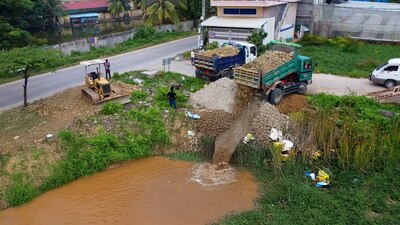
How Land Reclamation Restores Damaged Ecosystems
-
Understanding the Environmental Cost of Degraded Landscapes
Across the world, ecosystems have been pushed to their limits by industrialization, mining, urban expansion, deforestation, and poor agricultural practices. From scarred open-pit mines to polluted wetlands and eroded coastlines, damaged landscapes are more than just visual blights. They represent broken ecological systems where biodiversity declines, soil fertility disappears, water cycles are disrupted, and local communities suffer long-term consequences.
Organizations such as the United Nations Environment Programme consistently highlight that ecosystem degradation directly threatens food security, water availability, and climate stability. The loss of vegetation cover accelerates erosion, while contaminated soil and water reduce the land’s capacity to support wildlife or human livelihoods. In coastal areas, habitat destruction weakens natural defenses against storms and sea-level rise.
The good news is that damaged ecosystems are not always beyond repair. With the right planning, scientific expertise, and long-term commitment, restoration initiatives can revive ecological function and rebuild resilience. One of the most effective strategies in this process is land reclamation.
What Ecosystem Restoration Really Means
Ecosystem restoration is more than planting trees or filling abandoned pits. It is a science-based, multi-layered approach that aims to return degraded environments to a stable, self-sustaining state. This may involve rebuilding soil structure, reintroducing native vegetation, restoring hydrology, improving water quality, and encouraging wildlife to return.
The International Union for Conservation of Nature defines restoration as the process of assisting the recovery of an ecosystem that has been degraded, damaged, or destroyed. The goal is not necessarily to recreate the exact historical landscape, but to rebuild ecological integrity and functionality.
Effective restoration considers biodiversity, soil chemistry, water systems, and social impact. It requires collaboration between ecologists, engineers, policymakers, and local communities. When executed responsibly, reclamation projects transform barren or contaminated land into productive habitats that support life once again.
Rebuilding Soil Health: The Foundation of Recovery
Healthy soil is the backbone of any thriving ecosystem. In many degraded areas, topsoil has been stripped away, compacted, or contaminated with heavy metals and pollutants. Without healthy soil, plants cannot establish strong root systems, microorganisms cannot thrive, and the entire food chain collapses.
Reclamation efforts often begin with soil remediation. This may involve reshaping landforms to prevent erosion, adding organic matter to rebuild fertility, and introducing beneficial microbes to restore biological activity. In former mining regions, contaminated soil is treated or replaced to reduce toxicity.
Once soil structure improves, native plant species are introduced. Native vegetation plays a crucial role in stabilizing soil, increasing water infiltration, and supporting pollinators and wildlife. Over time, root systems anchor the land, reduce runoff, and restore nutrient cycles. What once looked lifeless can gradually transform into a functioning habitat.
Restoring Water Systems and Wetlands
Water is central to ecosystem recovery. Damaged landscapes often suffer from disrupted drainage patterns, polluted waterways, and reduced groundwater recharge. Reclamation projects address these challenges by reestablishing natural hydrological systems.
In wetland restoration efforts supported by the U.S. Environmental Protection Agency, degraded marshes and floodplains are reshaped to allow natural water flow. Reintroducing native aquatic plants improves water filtration, reduces sedimentation, and creates breeding grounds for fish and birds.
Healthy wetlands act as natural sponges. They absorb excess rainfall, reduce flood risk, and filter pollutants before they reach rivers and oceans. In coastal areas, restored wetlands buffer communities from storm surges and help counteract erosion. This not only strengthens biodiversity but also enhances climate resilience.
Reviving Biodiversity and Wildlife Habitats
When land is degraded, wildlife is often the first casualty. Habitat fragmentation and pollution force species to migrate or perish. Successful reclamation restores not just plants and soil, but entire ecological communities.
By reintroducing native flora, projects recreate food sources and shelter for insects, birds, and mammals. Over time, ecological succession allows complex habitats to form. Pollinators return, predators reestablish balance, and biodiversity gradually increases.
Conservation organizations like the World Wildlife Fund emphasize that restoring habitats is critical for protecting endangered species. Reclaimed landscapes can serve as wildlife corridors, connecting fragmented ecosystems and enabling genetic diversity to thrive.
In many cases, restored sites become biodiversity hotspots where ecological interactions flourish again. This ripple effect strengthens ecosystem stability and resilience against future environmental stressors.
Combating Climate Change Through Landscape Recovery
Restoration efforts also play a vital role in climate mitigation. Degraded lands often release stored carbon into the atmosphere, contributing to greenhouse gas emissions. Reviving vegetation and rebuilding soil organic matter help sequester carbon and reduce atmospheric concentrations.
Forests, grasslands, and wetlands act as carbon sinks. When these systems are restored, they capture and store carbon dioxide through photosynthesis and soil processes. Global initiatives led by the Food and Agriculture Organization promote sustainable land management practices to combat desertification and enhance carbon storage.
Moreover, restored ecosystems improve climate adaptation. Rehabilitated mangroves protect coastal communities from extreme weather, while restored forests regulate temperature and rainfall patterns. Healthy landscapes are more capable of withstanding droughts, floods, and heatwaves.
Supporting Local Communities and Sustainable Development
Environmental restoration is not just about nature; it is also about people. Degraded ecosystems often leave nearby communities vulnerable to economic hardship, food insecurity, and health risks.
Reclaimed lands can be repurposed for sustainable agriculture, recreation, forestry, or conservation tourism. This creates employment opportunities and revitalizes local economies. Cleaner water sources reduce health hazards, while improved soil fertility enhances crop yields.
The World Bank has supported numerous restoration initiatives that integrate ecological recovery with economic development. When communities are involved in planning and maintenance, projects are more likely to succeed long-term.
Community participation also fosters environmental stewardship. Residents who witness the transformation of barren land into productive ecosystems develop a stronger connection to conservation efforts. This social dimension ensures that restored environments are protected for future generations.
The Science and Technology Behind Modern Reclamation
Advancements in environmental science and engineering have made reclamation more effective than ever before. Geographic information systems, satellite monitoring, and soil analysis technologies allow experts to design precise restoration strategies tailored to each site.
Drones are used to assess vegetation growth and monitor progress. Native seed banks ensure that reintroduced plants are genetically appropriate for the region. In contaminated sites, bioremediation techniques use microorganisms to break down pollutants naturally.
Research institutions and environmental agencies continuously refine best practices to maximize ecological recovery while minimizing unintended impacts. This data-driven approach increases the likelihood that restored ecosystems will remain stable and self-sustaining over time.
Long-Term Monitoring and Adaptive Management
Restoration does not end once vegetation is planted or water flow is reestablished. Continuous monitoring is essential to ensure that ecosystems remain healthy and resilient. Adaptive management allows experts to adjust strategies based on observed results.
Monitoring may involve tracking soil nutrients, water quality, vegetation diversity, and wildlife populations. If invasive species threaten native growth, corrective measures are implemented. If erosion patterns reemerge, landforms are adjusted.
This long-term commitment distinguishes successful projects from short-lived interventions. True ecological recovery requires patience, scientific rigor, and sustained investment.
A Future Built on Ecological Renewal
The restoration of damaged ecosystems demonstrates that environmental harm is not always irreversible. Through thoughtful planning, scientific expertise, and community engagement, degraded landscapes can be transformed into thriving habitats once again.
As global awareness of environmental challenges grows, large-scale initiatives aligned with the United Nations Decade on Ecosystem Restoration continue to expand. Governments, organizations, and private sectors increasingly recognize that investing in restoration is not merely an environmental responsibility but an economic and social necessity.
Reclaimed ecosystems support biodiversity, strengthen climate resilience, enhance food security, and improve quality of life. They remind us that nature has an extraordinary capacity to heal when given the opportunity.
In a world facing accelerating environmental pressures, restoration stands as a powerful testament to human ingenuity and responsibility. By prioritizing ecological recovery today, we build a more resilient and sustainable future for generations to come.


