Categories
Tags
-
#RFP in Healthcare
#Retail Store Installation
#filler for wrinkles around the mouth
#A-frames
#Healthcare SEO
#Poland tour from Wieliczka
#employee handbook translation services
#Honeycomb Paper Bubble Wrap
#Business Law Attorneys
#Animal symbolism
#PDA in a Relationship
#Facial Lymphatic Drainage Massage
Archives
Using Animal Symbolism in Art and Living Spaces
-
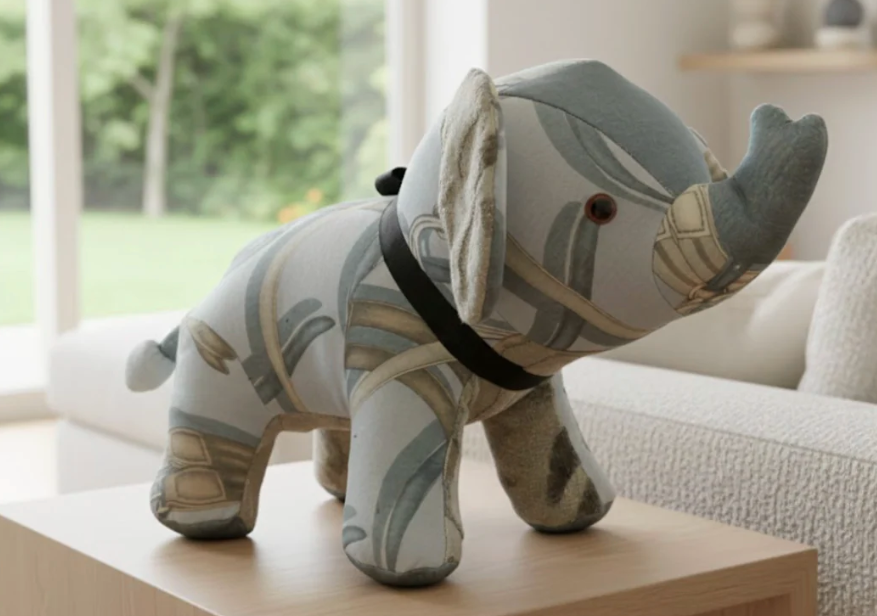
Summary: Animal symbolism has been part of human expression since ancient times. Artists use animals in their work to convey specific values and emotions and personal beliefs. When chosen thoughtfully, people use animal symbols to create living spaces which express depth, actualize calmness, showcase strength, and provide sources of inspiration. The article defines animal symbolism which explains its importance and provides guidance on selecting suitable home animals and demonstrates how to arrange artistic symbols for authentic and significant spaces.
Animals have always played an important role in human life. People used animals to show their understanding of the world through stories, paintings, and carvings. The symbols taught lessons about courage and survival, balance and change to their viewers. Artists and designers use animal symbolism in their work today through more subtle and personal expressions.
Animal imagery in contemporary living spaces functions as more than decorative elements for walls and shelves. The design element enables users to display their individuality while demonstrating their personal principles and creating particular atmospheres in their rooms. Animal symbolism exists in various artistic forms, including painting, sculpture, textile, and print, to help people create meaningful spaces in their homes.
What Is Animal Symbolism
The practice of animal symbolism occurs when people use animals to represent their abstract concepts and specific character traits, and their emotional states. People in different cultures connect specific traits to animals because of their natural behavior and physical traits, and their importance in traditional stories.
People commonly associate lions with their power and ability to lead others. Birds represent the ideas of freedom together with the feeling of hope. People consider elephants to be symbols of both wisdom and patient behavior. The meanings exist as flexible guides that people use to navigate their understanding. People develop their symbol understanding through their personal experiences and the cultural traditions of their background.
Animal symbolism creates artistic value because it establishes a connection between natural elements and the emotional experiences of humans. The system allows people to connect with complex concepts through visual expressions and emotional experiences.
Why Animal Symbolism Works in Living Spaces
The way people feel, their ability to concentrate, and their level of comfort are affected by their living environment. Art plays a large role in shaping how a room feels. Animal symbols create additional meaning in visual spaces through their presence.
The presence of a calm animal image brings tranquility to a space. The presence of a powerful animal creates a feeling of confidence and protection. The symbols develop into commonplace elements that silently build up emotional states and intentions.
The use of animal symbols helps people establish their own unique spaces. Homeowners can select symbolic art pieces which represent their identity and values instead of following current design trends.
Common Animals and Their Symbolic Meanings
Here are some widely understood examples of animal symbolism:
- Lion: courage, strength, leadership
- Elephant: wisdom, stability, calm
- Bird: freedom, perspective, hope
- Butterfly: transformation, growth
- Wolf: loyalty, independence
- Deer: gentleness, awareness
- Horse: movement, freedom, energy
These meanings can vary across cultures. It is always best to choose animals that feel meaningful to you rather than relying only on traditional definitions.
Choosing Animal Art with Purpose
The process of selecting animal-themed art and decor requires you to first think about your decision. You need to determine which function you want the area to provide. The space should enable you to either sleep, concentrate on work, express your creativity, or build social connections.
A bedroom needs to use peaceful elements for its design, while a workspace needs to display items that show both concentration and commitment. The goal is to fill the space with a selected number of authentic pieces instead of using multiple symbols to decorate the area.
The value of an item depends on its quality. A single well-chosen piece usually creates stronger effects than multiple small items, which lack a specific purpose.
Placement Matters
Where you place symbolic animal art affects how it is experienced.
- Entryways are ideal for welcoming or grounding symbols.
- Living rooms work well for shared meanings like protection or unity.
- Bedrooms benefit from peaceful and nurturing imagery.
- Home offices can support motivation and clarity through strong symbols.
- Quiet corners or reading spaces are perfect for reflective or spiritual symbols.
Placement should feel natural. Art should enhance the flow of the room, not interrupt it.
Matching Symbolism with Interior Style
Animal symbolism exists in various ways that match different interior design styles.
Modern residential spaces benefit from using abstract animal artwork and basic line drawings. The detailed artwork and three-dimensional sculptures in vintage and traditional spaces create an authentic ambiance. Animal motifs appear in Bohemian interiors through their use in textiles, rugs, and wall hangings.
The primary requirement is that all elements need to create a unified combination. The design needs to reflect the true meaning of the symbols together with the room's visual appearance and emotional atmosphere
Emotional and Psychological Impact
The emotional reactions of people will occur more quickly when they encounter animals instead of when they encounter objects or patterns. Humans share an instinctual bond with animals because of their deep historical relationship with them.
People find comfort and motivation, and reassurance from the presence of symbolic animal artwork. The effects become less visible over time, but they continue to increase in intensity. The area transforms into a space that offers both support and personal connections.
The use of animal symbolism occurs in healing spaces, creative studios, and personal homes for this reason.
Being Mindful and Ethical
The selection of animal symbols for decorative purposes requires the use of animal-friendly and environmentally-friendly decor items. The selection of this particular item should be avoided because it supports activities which cause damage and abuse of living beings. Many artists create beautiful animal-inspired work using sustainable and ethical methods.
The selection of mindful art establishes true representations of symbol meaning which match the personal beliefs of the viewer.
Conclusion
The Vintage Luxe Up space uses animal symbols as more than decorative elements. The animal symbols serve to create deeper artistic meanings, which show historical context and deliberate design choices throughout various artistic and architectural spaces. The design process gains meaning through the use of specific animal images, which designers choose based on their particular needs. Each symbol reflects values, mood, and personal expression, creating spaces that feel thoughtful rather than decorative.
The designers at Vintage Luxe Up use animal symbols which connect with everlasting design elements and individual character traits to create interior spaces which display both depth and equilibrium, and permanent beauty. The designers use these elements to create living spaces which develop into spaces that exhibit personality, specific functions, and enduring relationships.
FAQs
Q1. What Is Animal Symbolism in Simple Terms?
A1. Animal symbolism means using animals to represent ideas, emotions, or qualities through art or decor.
Q2. Do Animal Symbols Have Fixed Meanings?
A2. No. While many animals have traditional meanings, personal experience and culture also shape symbolism.
Q3. Can Animal Symbolism Work in Small Spaces?
A3. Yes. Even one small piece of symbolic art can add meaning without taking up space.
Q4. Is It Okay to Use More Than One Animal Symbol in a Room?
A4. Yes, as long as the symbols feel balanced and support a similar mood.
Q5. Does Animal Symbolism Really Affect How a Room Feels?
A5. Yes. Symbolic imagery can influence emotion, comfort, and focus over time.


