Categories
Tags
-
#fleet insurance
#RFP in Healthcare
#Retail Store Installation
#filler for wrinkles around the mouth
#A-frames
#Healthcare SEO
#Poland tour from Wieliczka
#employee handbook translation services
#Honeycomb Paper Bubble Wrap
#Business Law Attorneys
#Animal symbolism
#PDA in a Relationship
#Facial Lymphatic Drainage Massage
#Cloud video surveillance
#Tax deed
#Cloud ERP Solutions
#natural lip fillers
#allergies on skin
#ATA certified translator
#recruitment and selection process in HRM
#2D barcode scanners
#Gourmet Rice Krispie Treats
#ADA-compliant
#Contextual Video Advertising
Archives
Retail Rollouts Without the Wrinkles: Strategies to Streamline
-
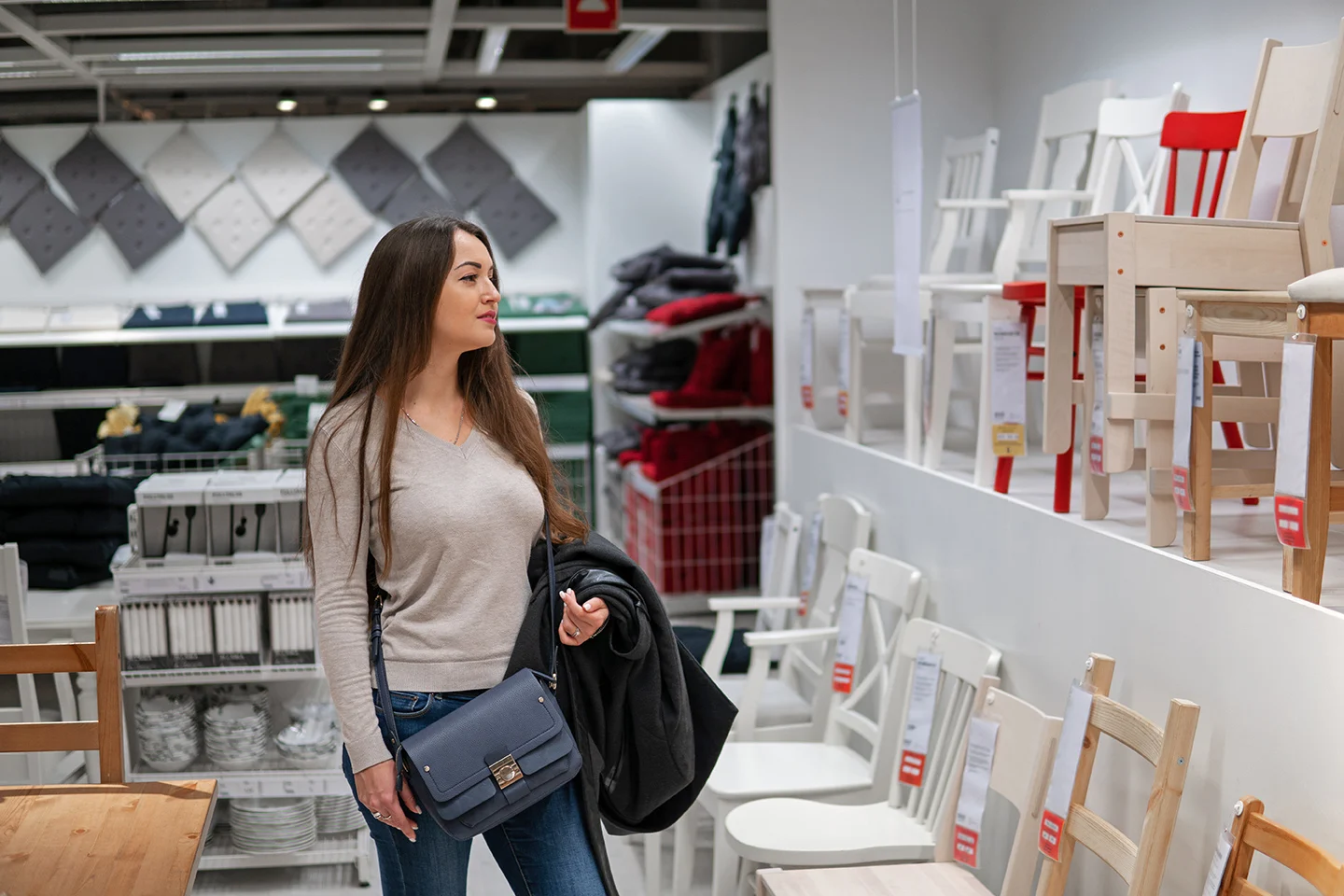
Opening a retail store can feel like juggling a dozen balls at once. There are displays to set up, shelves to stock, signs to hang, and staff to prepare. One small mistake can ripple through the whole process. It can turn what should be an exciting day into a stressful scramble.
That is why careful planning for retail rollouts matters. It is not just a nice idea, it is survival.
Start With a Solid Game Plan
The first step is simple: plan. Break the rollout into phases. Preparation. Installation. Quality checks. Then the grand opening. Assign tasks to real people. Give deadlines that can actually be met.
A clear plan keeps confusion away. Everyone knows what to do and when. Chaos fades.
Think about it like packing for a trip. You could throw everything into a bag at once. Or you could make a list. Fold clothes. Pack shoes separately. The trip goes much smoother if you follow the list. Retail rollouts are the same way.
Communication is Everything
Several teams are involved in rollouts. Project managers. Designers. Installers. Store staff. If one team does not know what the others are doing, things slow down.
Check-ins are critical. They do not have to be long or formal. Even five minutes at the start of the day can prevent wasted hours.
Shared calendars, quick messages, or whiteboards work wonders. When everyone sees what comes next, the project moves like clockwork.
Hire Experienced Hands
Some tasks are tricky. Experienced installers and technicians make a huge difference. They know how to set up displays quickly. They can foresee problems before they happen.
Experience saves time. It reduces mistakes. It takes pressure off internal teams. This is where expertise truly pays off.
Standardize Where You Can
Routine tasks benefit from standardization. A checklist for installing shelves or arranging displays keeps everyone aligned. Templates for recurring steps save time.
Standardization also keeps stores consistent. Customers recognize the layout and feel at home. Familiarity builds trust.
Expect Surprises
Sometimes, even the best-laid plans still run into difficulties. Deliveries are delayed. Machines break down. It may turn out that the actual area does not correspond to the design. Even something as trivial as a missing sign or a shelf that doesn’t fit can lead to delays if the crew is not in the right frame of mind to change their plan.
Anticipation is the name of the game in these situations. A tiny cushion in your timetable can save you from last-minute panic. Always have a plan B ready for a task that has a high likelihood of failure. Consider what might go wrong and decide beforehand how you’ll deal with it.
There was one launch I recall where the delivery of signs was postponed. The group could have easily lost control. They, however, took a different course of action. The installation of attachments was done first. Adjustments to displays were made based on the delay. By the time the signs showed up, everything else was already set. The store took stock of time and also looked perfect. That little, adaptable method was the deciding factor.
At times surprises may come in a smaller yet harder to notice form. A display can be too wide for the door framing, or an apparatus might be in need of more power. When such things happen, the use of creative thinking is very essential. Those who can use their imagination while working can easily turn challenges into chances. For instance, relocating an independent display to another aisle not only resolved the issue but also enhanced customer flow in the store.
Regard surprises as things that are part of the journey rather than hurdles to overcome. Those teams that are able to incorporate flexibility into their work often come up with smarter solutions than those that were initially planned.
Train Staff Early
Your employees are the face of the store. Customers interact with them before noticing anything else. That is why training staff before opening day is critical.
Training gives employees confidence. They learn the layout, understand products, and know how new systems work. This preparation allows them to assist customers effectively from day one. It reduces mistakes and makes the store operate smoothly.
Confidence shows. When employees know what they’re doing, it improves the customer experience. Shoppers feel guided, welcome, and supported.
Training can be as simple as walking staff through the store, running mock scenarios, or testing the checkout system together. Even small exercises build familiarity. Staff learn to anticipate customer questions and handle issues quickly.
I recall a rollout where the staff was nervous about a new POS system. A two-hour practice session before the store opened completely changed the vibe. Employees were relaxed, customers were assisted efficiently, and the opening day felt effortless.
Investing time in training before launch saves hours of stress later. It ensures the store runs like a well-oiled machine from the very first day.
Walk Through Before Opening
A final walkthrough can reveal small issues. Lighting might need adjusting. Signs might be crooked. Shelves could feel cluttered.
Fixing them before opening day creates polish. The store looks ready. Staff feel confident. Customers get a great first impression.
I once saw a team discover that the checkout area was too narrow. A quick adjustment in the placement of the endcap solved it. Little tweaks like that can change the experience completely.
Learn and Improve
Every rollout is a lesson. Take notes. Ask teams what worked and what didn’t. Over time, these lessons turn into a playbook.
Future rollouts get easier. Faster. More predictable. Stress drops. Confidence grows.
Keep Technology in Mind
Technology is a helper, not a replacement. Project management tools, digital checklists, and shared schedules help keep the team aligned.
Photos of completed setups can prevent rework. Apps can track progress in real time. The right tools make the process feel lighter and cleaner.
Customer Experience Comes First
The customer is why the rollout exists. Clear aisles, visible signage, and neat displays make shopping easier. Every decision should help customers move through the store effortlessly.
When shopping feels natural, customers enjoy it. They notice the difference between a polished store and one that feels thrown together.
Details Matter
Small touches make a big difference. Labels, alignment, product placement, even lighting tweaks—they all add up.
A little attention here goes a long way. Customers notice. Staff notice. The store feels professional and ready.
Be Flexible
No two stores are identical. Floor plans vary. Space varies. Local rules vary. Rollouts must adapt to reality.
Flexibility keeps the schedule on track. It allows teams to pivot without panic. Problems get solved instead of ignored.
Sometimes the best idea comes in the moment. One rollout required moving a display to make room for seasonal products. It was not planned, but the adjustment made the store flow better than anyone expected.
Conclusion
Retail rollouts do not have to be stressful or messy. Thoughtful planning, flexible teams, attention to small details, and a focus on the customer make the process smooth.
When done well, a rollout is a clean, efficient, and even enjoyable process. For retailers looking for support, Teamwork Inc provides experienced installation and project management to ensure store launches happen seamlessly.


