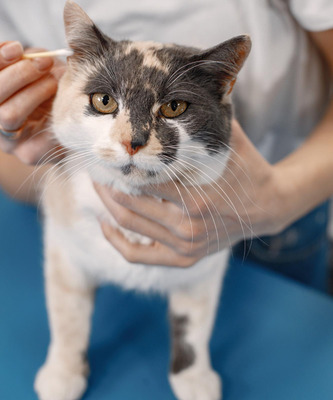
Signs Your Cat Needs Professional Grooming
-
When people think about cat grooming Dubai, they often assume it’s only necessary for long-haired breeds or visibly dirty cats. In reality, many cats need professional grooming long before obvious problems appear. Cats are excellent at hiding discomfort, and subtle grooming-related issues often go unnoticed by even the most loving owners. Ignoring these signs can lead to skin problems, pain, and long-term health concerns.
Understanding the early warning signs that your cat needs professional grooming can help you act before small issues turn into serious ones. Below are the most commonly overlooked signs—and why they matter more than you think.
Why Cats Often Hide Grooming Problems
Cats are naturally independent and instinctively mask discomfort. Unlike dogs, they rarely show obvious signs of distress. This makes grooming-related issues harder to detect until they become severe. Indoor lifestyles, aging, stress, and climate conditions can further reduce a cat’s ability to self-groom effectively.
Professional grooming isn’t just about appearance—it plays a vital role in maintaining skin health, comfort, and overall well-being.
Common Signs Your Cat Needs Professional Grooming
1. Persistent Matting or Knots in the Fur
Matted fur is one of the most common grooming issues owners overlook. Small tangles can quickly tighten into painful mats, especially around the neck, belly, armpits, and tail base.
Mats pull on the skin, restrict movement, and trap dirt and moisture, increasing the risk of infections. Once mats form, brushing at home often causes pain, making professional grooming the safest option.
2. Excessive Shedding That Doesn’t Improve with Brushing
All cats shed, but excessive shedding that continues despite regular brushing may indicate underlying coat or skin issues. Indoor cats, in particular, can shed year-round due to artificial lighting and climate control.
Professional grooming removes loose undercoat effectively, reduces hair accumulation at home, and helps regulate natural oil distribution across the skin.
3. Strong or Unusual Odor
Cats are known for cleanliness, so a noticeable odor is a red flag. A greasy smell, sour scent, or musty odor may indicate oil buildup, trapped dirt, or skin infections hidden beneath the fur.
Regular professional grooming helps cleanse the coat thoroughly, reaching areas that cats struggle to clean themselves.
4. Greasy, Clumpy, or Dull Fur
If your cat’s coat looks oily, clumped, or lacks its usual shine, it’s a sign self-grooming is no longer sufficient. This is common in senior cats, overweight cats, or those with mobility limitations.
A professional groomer can restore coat health through proper bathing, drying, and brushing techniques tailored to your cat’s condition.
5. Increased Hairballs or Digestive Discomfort
Hairballs are often dismissed as normal, but frequent hairballs can signal excessive shedding and loose fur ingestion. Over time, this can lead to digestive issues or blockages.
Professional grooming significantly reduces loose hair, lowering the amount your cat swallows during self-grooming.
6. Behavioral Changes During Self-Grooming
Pay attention if your cat suddenly:
-
Grooms less often
-
Over-grooms one specific area
-
Becomes irritated when touched
-
Avoids being brushed
These changes may indicate pain, skin sensitivity, or discomfort caused by mats or underlying skin problems. Professional groomers are trained to handle cats gently and identify problem areas without causing stress.
7. Visible Dandruff or Flaky Skin
White flakes on your cat’s fur or bedding may indicate dry skin, dehydration, or poor oil distribution. Environmental factors such as air-conditioning and indoor living can worsen this condition.
Professional grooming helps exfoliate dead skin, improve circulation, and restore natural moisture balance.
8. Overgrown Fur Around Sensitive Areas
Fur that grows too long around the eyes, paws, or hindquarters can cause hygiene issues and discomfort. It may trap litter, feces, or moisture, increasing the risk of infections.
Careful trimming by a professional ensures cleanliness without accidental cuts or stress.
9. Difficulty Reaching Certain Body Areas
Cats rely on flexibility for grooming. As they age or gain weight, they may struggle to reach areas like the lower back or belly. This leads to neglected patches that become matted or oily.
Professional grooming compensates for these limitations and keeps hard-to-reach areas clean and comfortable.
10. Increased Scratching or Skin Irritation
Frequent scratching, licking, or biting at the skin may indicate irritation caused by trapped debris, matting, or coat imbalance. While not all itching is grooming-related, professional grooming can eliminate many external causes.
If symptoms persist after grooming, it’s easier to identify whether veterinary attention is needed.
Why Professional Grooming Makes a Difference
Expertise in Handling Cats Safely
Cats require specialized handling techniques. Professional groomers understand feline behavior, body language, and stress signals, ensuring grooming is done safely and calmly.
Proper Tools and Techniques
Using incorrect tools at home can damage the coat or skin. Professionals use cat-specific equipment designed to minimize discomfort and maximize results.
Early Detection of Issues
During grooming, professionals often spot early signs of skin infections, parasites, lumps, or coat abnormalities—allowing owners to act quickly.
How Often Should Cats Be Professionally Groomed?
The ideal grooming frequency depends on:
-
Coat type
-
Age
-
Activity level
-
Health condition
In general, most cats benefit from professional grooming every 4–8 weeks, even if they appear clean.
Conclusion: Don’t Wait for Visible Problems
Many cat owners wait until grooming issues become obvious—but by then, discomfort has already set in. Recognizing the subtle signs early can prevent pain, stress, and health complications.
At Wooferin, professional cat grooming services are designed to address these often-ignored signs with patience, care, and feline-focused expertise. Whether your cat is shedding excessively, developing mats, or simply needs coat maintenance, timely grooming can make a lasting difference in their comfort and well-being.
-


