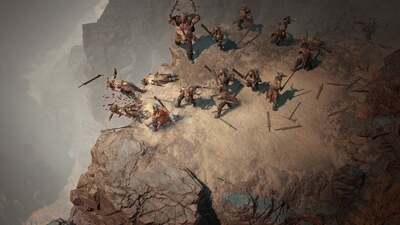
Diablo 4 Future Expansions: Most Wanted Zones
-
When players open the map in Diablo IV, one thing stands out right away: there's still a lot of Sanctuary we haven't touched. Vessel of Hatred already took us to Nahantu, and Skovos has been mentioned as the next stop, but most fans are thinking way beyond that. The discussion isn't about whether more zones are coming. It's about which classic locations deserve to be rebuilt in Diablo 4's darker, grounded style Diablo 4 Items.
The Western Kingdoms come up constantly, especially Khanduras and Westmarch. Khanduras is where it all began in Diablo, with Tristram and that original cathedral descent into darkness. Westmarch left a strong impression in Diablo III, especially after Malthael tore through it. Seeing these places centuries later, under Diablo 4's grimmer tone, would be a powerful way to connect the series. Old and New Tristram alone would carry a lot of emotional weight for longtime players.
Another location people bring up all the time is Xiansai, the homeland of the sorcerers. It's been referenced in lore for years but never fully explored in a mainline game. Players imagine steep cliffs, ancient magical academies, and ruined temples soaked in arcane energy. Since it borders Scosglen on the map, it wouldn't even feel out of place geographically. It could slot into the existing world while still feeling completely different in style and atmosphere.
Up north, there's strong interest in the Dreadlands and what's left of Mount Arreat. The destruction of the Worldstone changed everything, and many players want to see the long-term scars of that event. A shattered, hostile wilderness shaped by magical fallout would fit Diablo 4 perfectly. The crater where Arreat once stood could serve as a haunting centerpiece, maybe even an endgame hub or raid-style destination. It's the kind of place that naturally ties into the franchise's history without feeling forced.
Ivgorod and the Sharval Wilds are also popular picks, especially for players who liked the monk lore. Ivgorod could offer a colder, mountain-temple region focused on discipline and spiritual conflict. The Sharval Wilds, often mentioned in passing across the series, could expand the northern forests with a different tone than Scosglen — less coastal mysticism, more deep wilderness and tribal tension. These areas could easily support a full campaign arc, especially if the story continues following characters like Lorath and Neyrelle.
To the south, Aranoch and the jungles around Kurast feel almost inevitable. Aranoch's desert, home to Lut Gholein in Diablo II, is perfect for buried tombs, sandstorms, and long-forgotten ruins. The Torajan jungles near Kurast could lean heavily into horror, with thick overgrowth and corrupted temples. Those regions also open the door to stories involving the Prime Evils again, whether directly or through new threats tied to them.
Of course, a lot of players don't just want more of Sanctuary. They want Hell as a full-scale region. Not just short story missions or small instances, but an entire explorable zone with different sub-biomes tied to various demonic factions. A true Hell expansion could work as a late-game challenge area, with shifting battle lines between demon armies and tougher enemies than anything we've faced so far.
And beyond that, there's quiet but steady interest in places like the High Heavens or Pandemonium. We've seen them before, but never as fully open, Diablo 4–style regions. Exploring angelic cities with the same grounded detail as Sanctuary would create a striking contrast. It would also push the story further into the larger cosmic war, showing how events in Sanctuary ripple outward.
Looking at all these ideas together, it's clear what players want. They don't just want random new maps cheap D4 items. They want meaningful locations — places tied to the series' past, or long-teased regions finally brought to life. Whether it's revisiting Tristram, climbing through the ruins of Arreat, crossing Aranoch's desert, or stepping into Hell itself, the hope is that future expansions keep expanding the world in a way that feels connected, dangerous, and true to what makes Diablo what it is.


