Categories
Tags
Archives
Sustainability Practices in Stone Crusher Indonesia: Dust and W
-
As the construction and mining industries in Indonesia continue to grow, stone crushers play a crucial role in supplying aggregates and raw materials for infrastructure projects. However, the environmental impact of these operations has become a major concern. Dust pollution, waste management, and energy consumption are critical issues for contractors and plant operators alike. Implementing sustainability practices is not only a regulatory requirement but also an opportunity to improve operational efficiency and community relations.
This article explores effective dust and waste management strategies in Indonesia’s stone crusher sector while incorporating the keyword types of stone crusher plant, highlighting how technology and operational practices can align with sustainability goals.
1. Understanding Environmental Challenges in Stone Crusher Operations
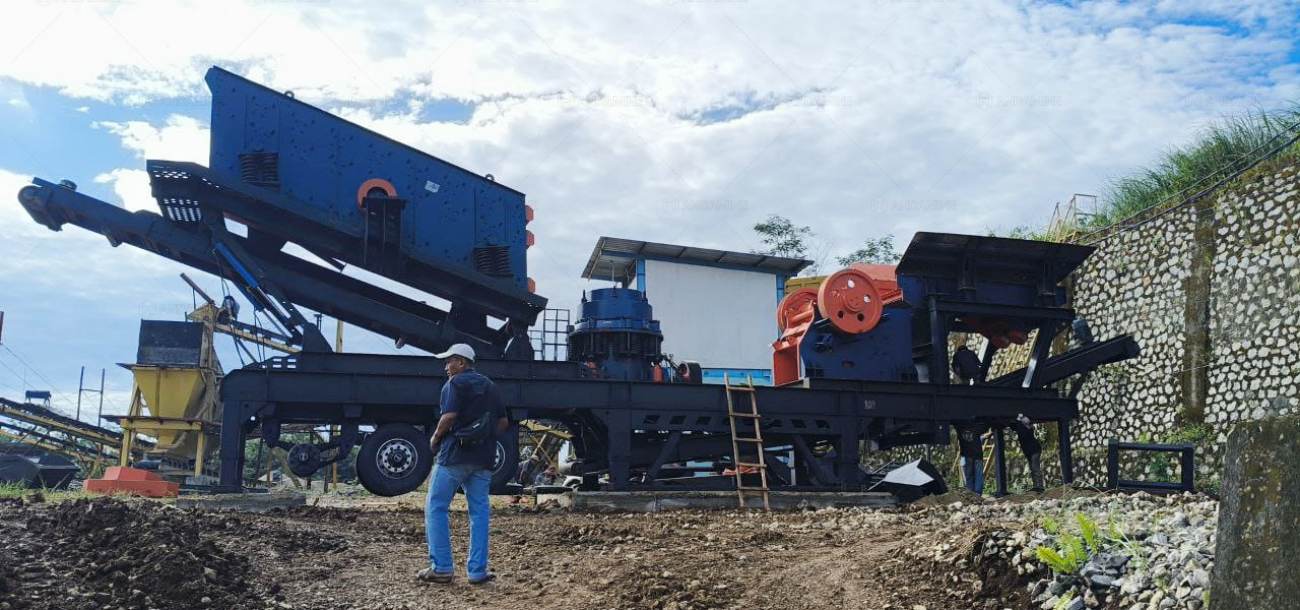
Stone crusher operations generate significant amounts of dust, noise, and waste materials. Dust emissions can impact local communities, cause health issues for workers, and affect nearby vegetation. Waste materials, including oversized rocks, fines, and slurry, need proper management to prevent environmental contamination.
In Indonesia, where stone crusher operations are concentrated around mining areas and construction zones, government regulations increasingly require plants to implement dust suppression and waste management measures. Compliance with these regulations not only avoids fines but also enhances the reputation of a stone crusher Indonesia operator.
2. Types of Stone Crusher Plant and Their Sustainability Implications
Understanding the types of stone crusher plant is essential when designing sustainable operations. Different plant types have varying environmental footprints and dust generation levels:
-
Jaw Crushers: Typically used for primary crushing of large rocks. Jaw crushers are energy-efficient but produce coarse dust, which can be controlled using water sprays and dust collection hoods.
-
Cone Crushers: Suitable for secondary or tertiary crushing, cone crushers generate finer dust, which requires advanced filtration systems and enclosed conveyors.
-
Impact Crushers: These produce more fines than jaw or cone crushers and can generate airborne dust. Proper enclosure, dust suppression sprays, and bag filters are essential for sustainability.
-
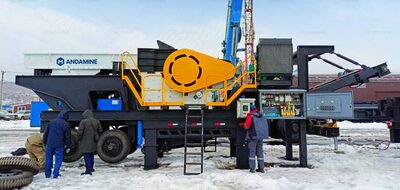
Mobile Stone Crusher Plants: These plants are flexible and can be relocated close to construction sites, reducing transportation-related emissions. Mobile units often integrate dust suppression systems, making them environmentally friendlier compared to stationary units.
Selecting the appropriate crusher type and implementing mitigation measures are foundational steps in promoting sustainable practices in Indonesia.
3. Dust Management Strategies
Effective dust control in stone crusher operations involves a combination of equipment design, operational procedures, and environmental monitoring:
-
Enclosed Crushing Units: Encasing crushers and conveyors minimizes dust escape into the surrounding environment.
-
Water Sprays and Misting Systems: Applying water at critical points, such as feed hoppers, crusher discharge points, and conveyor belts, significantly reduces airborne dust.
-
Dust Collectors and Bag Filters: Installing baghouses and dust extraction systems captures fine particulate matter before it leaves the plant area.
-
Vegetative Barriers: Planting trees and shrubs around the crushing area reduces wind speed and traps dust, improving local air quality.
-
Regular Maintenance: Cleaning filters, checking for leaks in ducts, and monitoring conveyor belts ensures dust control systems remain effective.
By implementing these measures, stone crusher operators in Indonesia can significantly reduce occupational and environmental health risks.
4. Waste Management Practices
Waste management is another critical aspect of sustainability. Crushing operations generate both solid and liquid waste, which can include rock fines, slurry, and scrap metal from equipment. Effective strategies include:
-
Material Recycling: Fine materials that are normally discarded can be processed into sand or used as filler in construction projects.
-
Slurry Treatment: Settling ponds or filtration systems can separate water from fines, allowing water recycling within the plant.
-
Byproduct Reuse: Oversized rocks can be crushed again or used in landscaping, road bases, or concrete production.
-
Proper Disposal: Non-recyclable waste must be disposed of in compliance with local regulations to avoid soil and water contamination.
Integrating waste management into daily operations reduces disposal costs, conserves natural resources, and enhances the plant’s sustainability profile.
5. Energy Efficiency and Emission Reduction
Sustainable stone crusher operations also focus on energy consumption and emissions:
-
High-Efficiency Motors and Drives: Replacing conventional motors with energy-efficient versions reduces electricity consumption.
-
Optimized Crushing Sequences: Using the correct crusher type for each material stage minimizes energy use while maintaining production rates.
-
Renewable Energy Integration: Some Indonesian plants are exploring solar or hybrid energy systems to power auxiliary equipment.
-
Reduced Transportation Emissions: Mobile stone crusher plants allow production close to construction sites, cutting fuel use and vehicle emissions.
These measures help operators lower operational costs while contributing to broader environmental sustainability goals.
6. Regulatory Compliance and Community Engagement
Compliance with Indonesian environmental regulations is essential for legal operations. Authorities may require dust monitoring, water treatment, and periodic environmental impact assessments.
Engaging with the local community is equally important. Transparent communication, site tours, and demonstrating dust and waste mitigation efforts build trust and prevent conflicts. Contractors who actively implement sustainability practices often enjoy smoother project approvals and long-term business advantages.

Conclusion
Sustainability practices in stone crusher Indonesia operations are no longer optional—they are essential for regulatory compliance, worker safety, and community relations. By understanding the types of stone crusher plant, operators can select the most appropriate equipment for their projects and implement effective dust and waste management measures.
Strategies such as enclosed crushing units, water sprays, dust collectors, material recycling, and energy-efficient equipment reduce environmental impact while improving operational efficiency. Coupled with regulatory compliance and community engagement, these practices position stone crusher operators for long-term success in Indonesia’s growing construction and mining sectors.
-


