Categories
Tags
-
#manufacturers
#swimming
#kids swimwear
#NeopreneToys
#DivingToys
#KidsToys
#KidsBall
#SwimVest
#KidsVest
#Swim
#NeopreneVest
#beachtoys
#tossdisk
#SwimJumper
#NeopreneRugby
#NeopreneVolleyball
#NeopreneFootball
#Neoprene
#boucingball
#flyingdisk
#EVA
#lacrosse
#swim vest
#neoprene ball
#neoprene toys
#wholesale
#kids vest
#vest
Archives
Swim Vest Use Tips
-
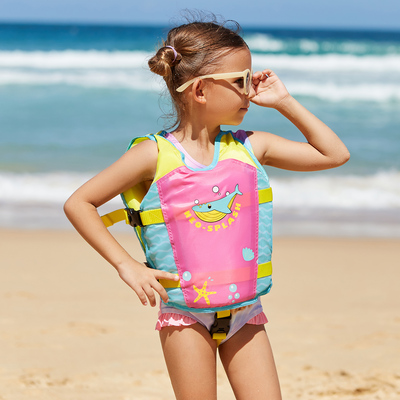
The proper use of swim vests can maximize their safety and practicality, especially for children and beginners. Here are the key tips:
- Correctly select and adjust the size
When choosing, refer to your weight and age range to ensure that the vest fits your body well (if it's too loose, it may shift; if it's too tight, it may affect breathing).
Tighten the shoulder straps and waist buckles so that 1-2 fingers can be inserted. Regularly check if they are loose during underwater activities.
- Use in combination rather than as a substitute for supervision
The vest is only an auxiliary buoyancy tool and cannot replace full-time adult care. Even when wearing a vest, it is necessary to maintain a monitoring distance within arm reach.
Do not use alone in deep water, rapids or unattended waters.
- Gradually reduce dependence and assist in skill learning
For learning to swim, by removing some buoyancy plates (if the design permits), the assistance can be gradually reduced to encourage independent stroke and balance practice.
When wearing it, focus on training core movements (such as kicking water with legs and circling with arms), and avoid forming incorrect postures due to excessive reliance on buoyancy.
- Maintenance and inspection
Before each use, check the stitching, snap fasteners and buoyancy materials to ensure there is no damage or aging.
After rinsing with fresh water, dry in the shade. Avoid direct sunlight or high temperatures (to prevent material deformation and decrease in buoyancy).
- Adapt to the scene
It is suitable for calm waters such as swimming pools and shallows. It is not recommended for complex environments such as surfing and rapids.
Wear it with a swimsuit to avoid the clothes getting caught in the vest buttons, which may affect safety.
By following these tips, swimming vests can not only ensure safety but also better assist in water activities and skill improvement.
-
Lane Liii likes this


