Categories
Tags
-
#medical equipment
#Custom Letterhead
#Paper Boxes
#Veterinary Surgical Sutures
#vet poison
#trained dog
#Senior pet
#prbiotic gut health
#absorable sutures
#Surgical staples
#put down cat
#probiotic
#independent living
#surgical suture\
#home vet service
#project based learning
#website maintenance
#camera rental NYC
#mold removal
#f Independent Living for Seniors
#Home Vet Services
#Caricol
#Assisted Living
#Monofilament suture
#LiDAR Scanning NYC
#Blood pressure Cat
Archives
What Causes High Blood Pressure in Cats and How to Manage It
-
Understanding the causes of high blood pressure in cats is essential for every pet owner. Similar to humans, untreated feline hypertension can lead to serious complications, including vision problems, kidney damage, and even heart issues. Unfortunately, many cats show little to no early signs, making this condition easy to overlook. That’s why awareness, routine check-ups, and early action are so important.
With proper knowledge and timely care, managing high blood pressure in cats is very achievable. In many cases, early detection and treatment can significantly improve a cat’s comfort and overall quality of life.
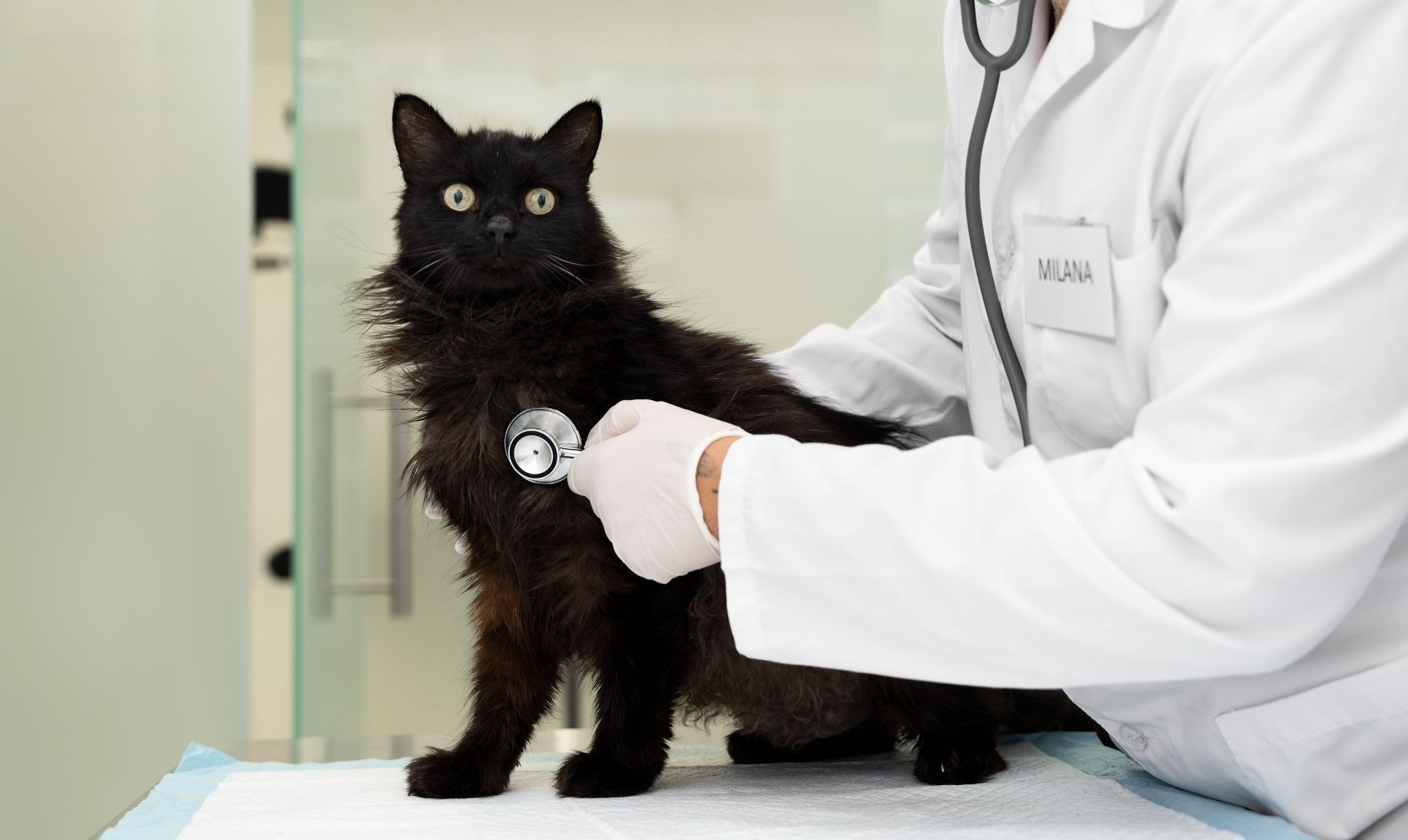
Understanding Feline Hypertension
High blood pressure in cats, also known as hypertension, occurs when there is a consistent elevation in arterial blood pressure. While occasional high readings may happen due to stress during vet visits, ongoing elevated levels usually indicate an underlying health concern.
This condition often develops quietly, without obvious symptoms, until it begins affecting vital organs. Because of this, regular monitoring—especially in senior cats—is extremely important. Early diagnosis helps prevent serious complications and allows for timely treatment.
What Causes High Blood Pressure in Cats?
To effectively manage high blood pressure in cats, it’s important to understand its root causes. In most cases, feline hypertension is not a primary condition but rather a result of another underlying disease.
Primary vs. Secondary Hypertension
-
Primary Hypertension: Rare in cats and occurs without a clear underlying cause.
-
Secondary Hypertension: Much more common and linked to other health conditions. Treating the root cause is key to managing blood pressure.
Common Causes of High Blood Pressure in Cats
1. Chronic Kidney Disease (CKD)
Chronic kidney disease is the leading cause of high blood pressure in cats. The kidneys play a major role in regulating blood pressure. When they become damaged, this balance is disrupted, often leading to hypertension.
Additionally, high blood pressure can further damage the kidneys, creating a cycle that worsens the condition over time.
2. Hyperthyroidism
An overactive thyroid gland can also contribute to high blood pressure in cats. Excess thyroid hormones increase heart rate and blood flow, which can raise blood pressure levels.
Cats with hyperthyroidism may also show signs such as weight loss, increased appetite, and hyperactivity.
3. Diabetes Mellitus
Although less common, diabetes can play a role in developing high blood pressure in cats. It affects blood vessels and kidney function, which may indirectly lead to hypertension.
4. Heart Disease
Certain heart conditions can either cause or worsen high blood pressure in cats. Increased pressure puts extra strain on the heart, potentially leading to further complications.
5. Adrenal Disorders
Hormonal imbalances caused by adrenal gland issues can also lead to severe cases of high blood pressure in cats, although these are less common.
6. Medication Side Effects
In some situations, medications may contribute to elevated blood pressure. Always discuss any treatments your cat is receiving with your veterinarian.
Signs of High Blood Pressure in Cats
In the early stages, high blood pressure in cats may not show noticeable symptoms. However, once organ damage occurs, signs can become more apparent.
Eye-Related Symptoms
-
Sudden vision loss
-
Dilated pupils
-
Visible bleeding in the eye
-
Retinal detachment
Neurological Signs
-
Seizures
-
Disorientation
-
Loss of balance
-
Behavioral changes
Kidney-Related Signs
-
Increased thirst and urination
-
Weight loss
-
Reduced appetite
-
Vomiting
Heart-Related Symptoms
-
Low energy levels
-
Difficulty breathing
-
Weakness
Recognizing these signs early can help prevent severe complications.
Diagnosing High Blood Pressure in Cats
Diagnosing high blood pressure in cats involves measuring blood pressure levels and identifying any underlying causes.
Blood Pressure Monitoring
Veterinarians use non-invasive tools to measure blood pressure, similar to human methods. Multiple readings are taken to ensure accuracy, as stress can temporarily raise levels.
A consistent reading above 160 mmHg typically indicates hypertension.
Additional Testing
To determine the cause, your veterinarian may recommend:
-
Blood tests to check kidney and thyroid function
-
Urinalysis for kidney health
-
Eye examinations
-
Heart evaluations
These tests help create a complete picture of your cat’s health.
Managing High Blood Pressure in Cats
Managing high blood pressure in cats usually involves a combination of treatments tailored to your pet’s specific condition.
1. Treat the Underlying Condition
Addressing the root cause is the most important step. For example:
-
Kidney disease may require dietary changes and supportive care
-
Hyperthyroidism may be treated with medication or other therapies
-
Diabetes requires proper glucose management
2. Blood Pressure Control
Veterinarians may recommend treatments that help lower blood pressure and reduce strain on vital organs. These are carefully selected based on your cat’s overall health and response to treatment.
3. Dietary Adjustments
Special diets, especially for cats with kidney disease, can support overall health and help manage high blood pressure in cats. Lower sodium intake is often beneficial.
4. Ongoing Monitoring
Regular follow-ups are essential. This includes:
-
Frequent blood pressure checks
-
Routine blood work
-
Eye examinations
Monitoring ensures the treatment plan remains effective over time.
5. Reduce Stress
Stress can temporarily increase blood pressure. Creating a calm and familiar environment helps support overall health. In-home veterinary visits can also reduce anxiety and provide more accurate readings.
Living with High Blood Pressure in Cats
With early diagnosis and proper care, many cats with high blood pressure in cats can live comfortable and fulfilling lives. Consistent treatment and regular monitoring play a key role in long-term health.
Pet owners should stay in close communication with their veterinarian and follow all recommended care plans.
Prevention and Early Detection
While it may not always be possible to prevent underlying conditions, early detection of high blood pressure in cats makes a significant difference.
Routine veterinary visits, especially for senior cats, should always include blood pressure checks. Early action helps prevent complications and supports better outcomes.
Final Thoughts
Understanding and managing high blood pressure in cats is essential for protecting your pet’s long-term health. Since this condition is often linked to other diseases, early diagnosis and a well-planned treatment approach can greatly improve your cat’s quality of life.
Regular check-ups, awareness of symptoms, and proactive care are the best ways to ensure your cat stays healthy and comfortable.
-


