Categories
Tags
-
#medical equipment
#Custom Letterhead
#Paper Boxes
#Veterinary Surgical Sutures
#vet poison
#trained dog
#Senior pet
#prbiotic gut health
#absorable sutures
#Surgical staples
#put down cat
#probiotic
#independent living
#surgical suture\
#home vet service
#project based learning
#website maintenance
#camera rental NYC
#mold removal
#f Independent Living for Seniors
#Home Vet Services
#Caricol
#Assisted Living
#Monofilament suture
#LiDAR Scanning NYC
#Blood pressure Cat
#Corporate Gifting
#Craft Kits
#Semantic SEO
#Surgical Glue
#Garage Mold Remova
Archives
Where LiDAR Scanning NYC Fits in Modern Mapping and Visual Prod
-
As digital production and urban development continue to evolve, the need for accurate spatial data has become more important than ever. In a city like New York, where projects often involve complex environments, LiDAR scanning NYC plays a key role in capturing real-world spaces and turning them into usable digital information.
From mapping large outdoor areas to supporting film production and design workflows, LiDAR technology offers a reliable way to document physical environments with a high level of precision.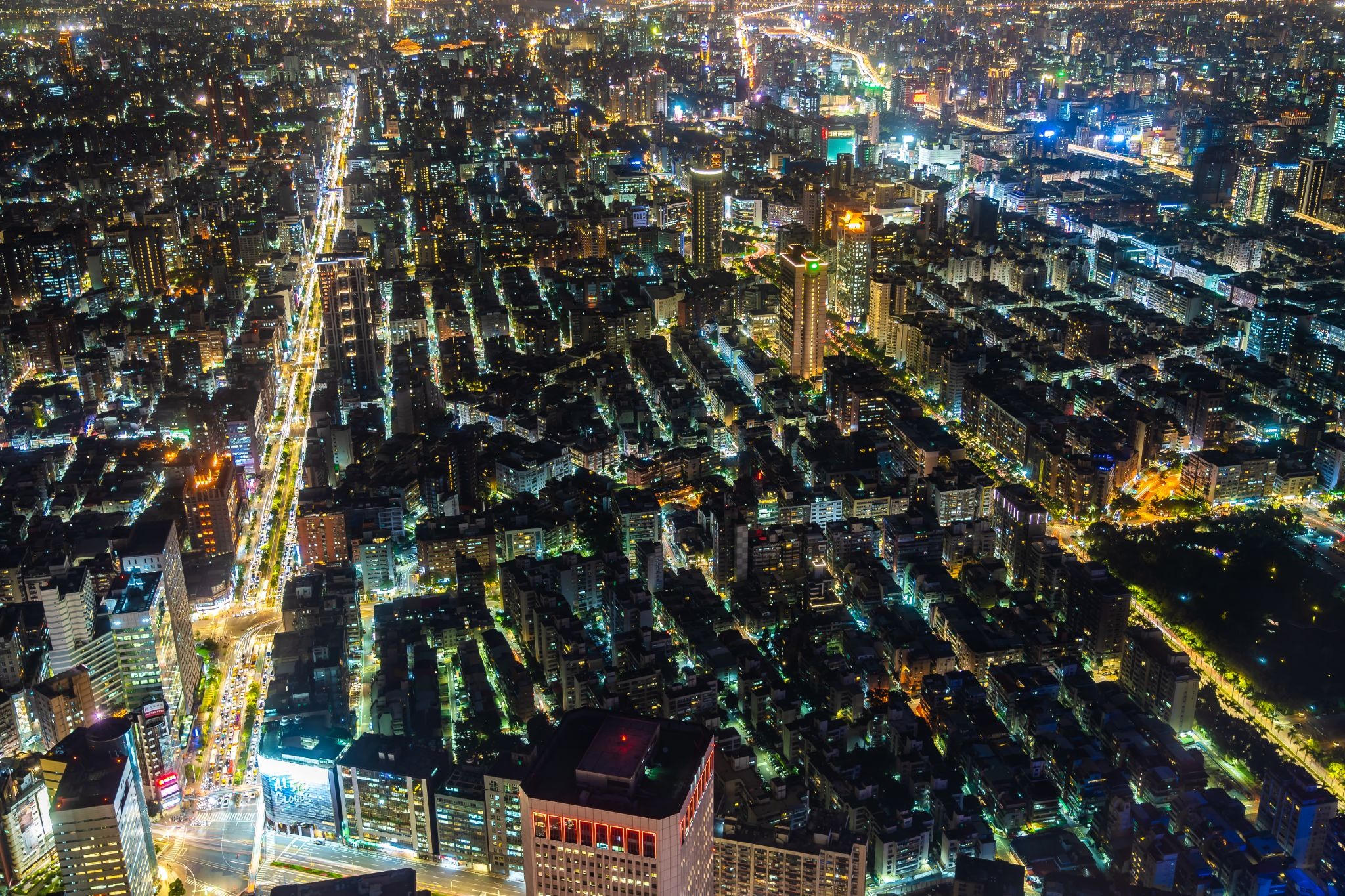
What LiDAR Scanning Means in Practical Terms
At a basic level, LiDAR scanning NYC uses laser-based sensors to measure distances between the scanner and surrounding objects. The system sends out laser pulses that bounce off surfaces and return to the sensor, calculating exact positions in three-dimensional space.
The result of this process is a point cloud, which is a dense collection of data points that represent the scanned environment. These point clouds can then be converted into 3D models or used directly in mapping and visualization software.
Because the data is based on precise measurements, LiDAR provides a strong foundation for projects that require accuracy.Role in Mapping and Urban Documentation
One of the most common uses of LiDAR scanning NYC is in mapping and urban documentation. Surveyors, engineers, and city planners rely on LiDAR data to understand the layout of streets, buildings, and infrastructure.
In a dense urban setting, traditional measurement methods can be time-consuming and limited in scope. LiDAR scanning allows large areas to be captured more efficiently while maintaining detailed accuracy.
This data can then be used for planning construction projects, monitoring structural changes, or creating digital maps of city environments.Use in Film and Visual Production
The film industry has also adopted LiDAR scanning NYC as part of modern production workflows. Location scanning is often performed before or during filming to capture the exact layout of a set or real-world environment.
This information becomes especially valuable in visual effects work. When digital elements need to be added to a scene, LiDAR data helps ensure that those elements align correctly with the physical space.
For example, scanning a location allows VFX teams to recreate the environment digitally, making it easier to extend sets or add complex visual details in post-production.Supporting Architecture and Design Projects
Architects and designers use LiDAR scanning NYC to capture existing structures before starting new designs or renovations. By working with accurate spatial data, they can better understand the conditions of a site.
This approach reduces the risk of errors during planning and construction. Designers can identify potential issues early and adjust their plans based on real measurements rather than assumptions.
LiDAR data also helps in documenting buildings for long-term records, especially in projects that involve restoration or preservation.Integration with Broader Production Services
As workflows become more connected, LiDAR scanning NYC is often combined with other production technologies. Some facilities offer scanning alongside camera systems, lighting support, and digital imaging services.
Within New York’s production landscape, providers such as Scheimpflug reflect how LiDAR and imaging technologies can work together within a unified technical environment. This integration allows teams to manage both physical production and digital capture in a more streamlined way.Preparing for a LiDAR Scanning Project
Successful LiDAR scanning NYC projects depend on careful planning. The scanning process must account for factors such as the size of the location, the level of detail required, and the intended use of the data.
For large outdoor environments, multiple scanning positions may be needed to capture all angles. Indoor spaces may require controlled setups to ensure consistent data collection.
Understanding the final application of the data helps determine how detailed the scan needs to be and how it will be processed afterward.Key Considerations for Effective Results
When working with LiDAR scanning NYC, project teams often focus on a few practical points:
-
Defining how the scanned data will be used in mapping, design, or visual effects
-
Ensuring clear access to all areas that need to be captured
Addressing these factors early helps produce accurate and usable results without delays.
The Expanding Role of LiDAR Technology
As industries continue to rely on digital representations of real-world environments, LiDAR scanning NYC is becoming a standard tool across multiple fields. Its ability to capture precise spatial data makes it valuable for both technical and creative applications.
Whether used for mapping urban spaces, supporting architectural planning, or enhancing film production workflows, LiDAR technology provides a reliable method for turning physical environments into detailed digital assets. -


