Technical support to reduces emissions without cutting output
-
Urban projects facing strict environmental policies need asphalt drum mixing plant solutions that cut dust and noise yet preserve production efficiency. The core point is that an asphalt mixing plant supplier should deliver targeted technical support—engineering controls, process tuning, and verification protocols—that integrate with site constraints. By focusing on dust capture at source, acoustic mitigation, optimized thermal control, and measurable commissioning, contractors can meet regulatory limits while maintaining steady output and predictable paving windows.
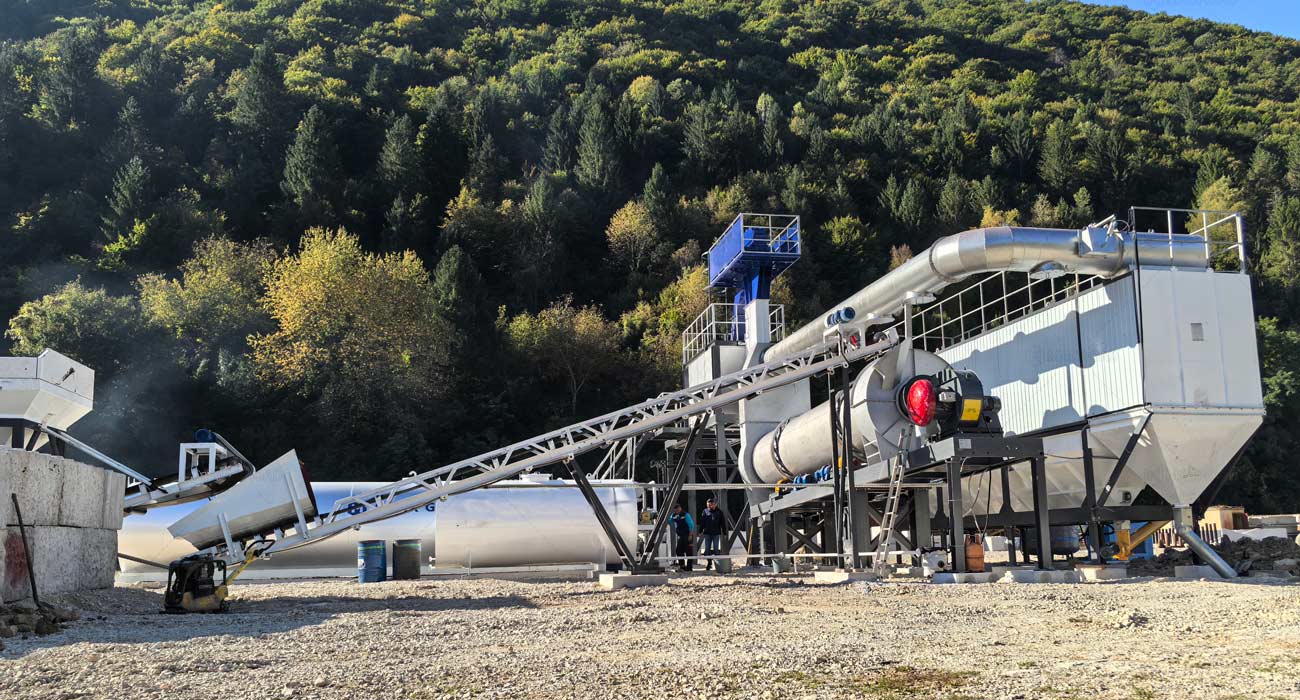
Source-level dust control and material handling improvements
First, the supplier should assess material flow to minimize dust generation at every transfer point. That begins with sealed aggregate bins and calibrated screw feeders so that fines are contained during dosing. Moreover, providing low-drop conveyors and enclosed transfer chutes reduces liberation of particulate compared with open transfers.
Second, a supplier must specify and supply effective filtration systems sized to the plant’s actual throughput. Rather than a generic baghouse, demand a design matched to the asphalt drum mixing plant’s exhaust volumes and expected particulate load, with accessible inspection ports and simple filter replacement procedures to avoid downtime. In addition, consider staged filtration—primary arrestors plus fine filters—to preserve suction balance and prevent pressure loss that could decrease drying efficiency.
Third, advise on moisture and stockpile management to prevent windblown dust. The supplier can recommend covered aggregate storage, misting lines, or rapid reclaim conveyors that limit exposed fines. These measures reduce excursions during windy conditions and maintain steady feed quality, which supports uninterrupted production.
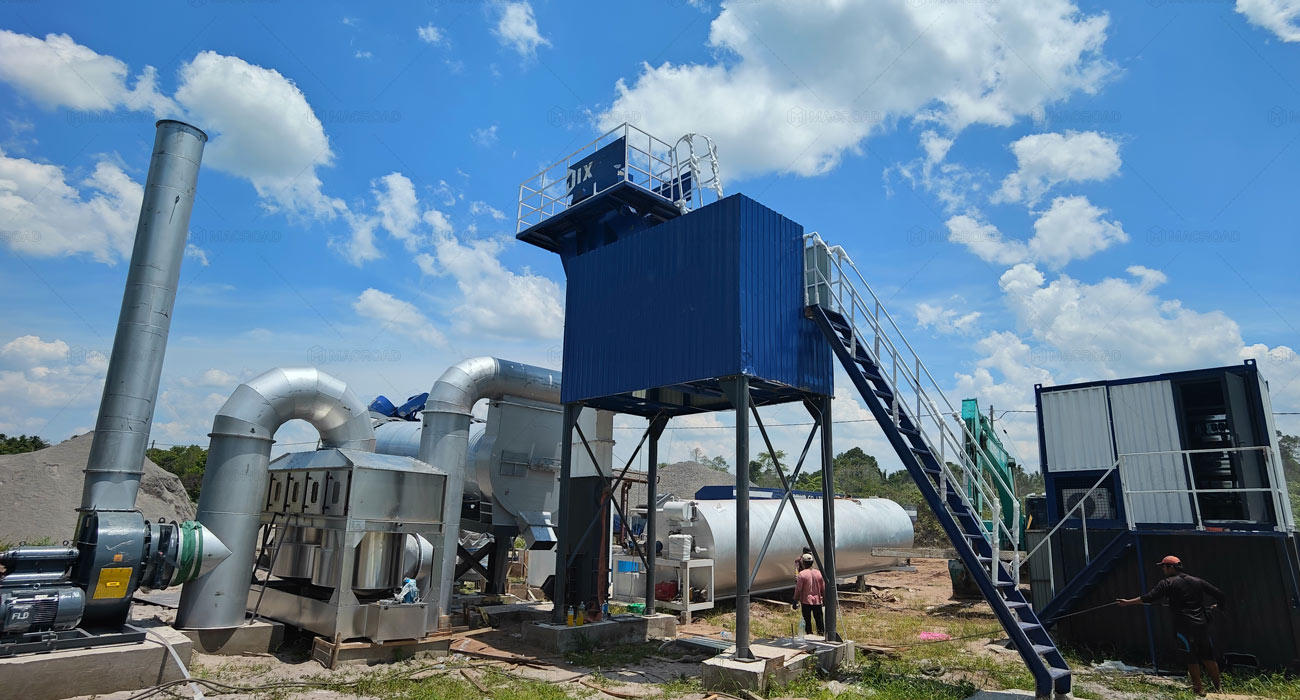
Acoustic engineering and operational adjustments for noise reduction
Next, the supplier should provide noise mitigation strategies targeted to the asphalt drum mixing plant’s dominant sources. For instance, propose vibration-damped mounting for fans and crushers, and install acoustic enclosures around high-speed motors and gearbox assemblies. These engineering steps lower baseline noise without altering operating parameters.
Additionally, the supplier can optimize blower and fan selection for lower tip-speed designs that maintain airflow but run quieter. Where cladding is used, design it for service access so routine maintenance does not require long shutdowns. Alongside hardware, recommend operational scheduling aligned with permissible hours and provide soft-start controls to avoid sudden mechanical transients that spike neighborhood complaints.
Finally, supply portable acoustic screens and temporary barriers sized for the plant layout. These can be positioned quickly when nearby activities are sensitive and removed later, enabling the asphalt drum mixing plant to operate at required capacity while meeting local decibel constraints.
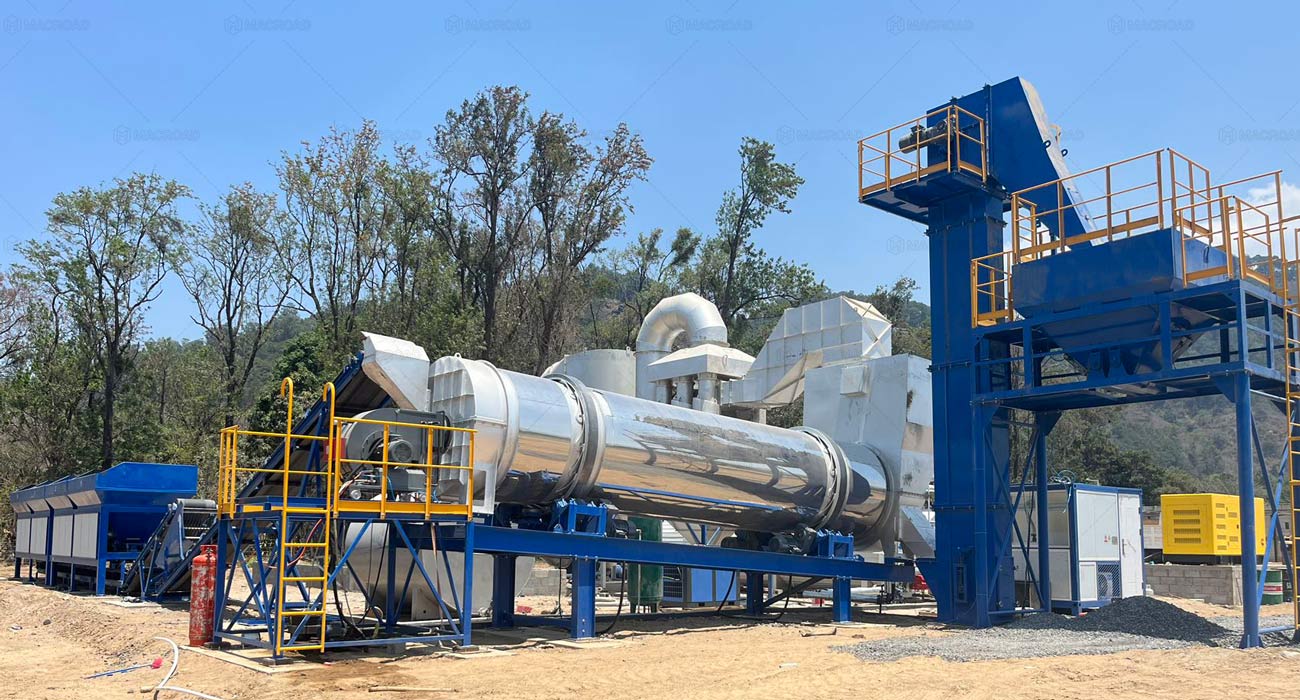
Process tuning, controls, and verification to preserve production efficiency
Then, the supplier must deliver process tuning to ensure emission controls do not degrade throughput. Start with combustion optimization: calibrated burners and staged air control reduce unburned particulates while improving fuel efficiency. Consequently, the drying process remains effective even with added filtration backpressure.
Also, implement control system updates that manage fan speeds, dust hopper extraction cycles, and alarm thresholds intelligently. A modern control logic can balance emission targets and production setpoints so the asphalt drum mixing plant sustains steady output rather than tripping into conservative modes when filters load.
Furthermore, require a measurable commissioning protocol and ongoing verification. The supplier should perform baseline emission testing, calibration of monitoring sensors, and provide clear acceptance criteria. Regular field audits and remote monitoring keep performance within limits and allow prompt corrective action without long production halts.
Conclusion
An asphalt mixing plant supplier can help an asphalt drum mixing plant meet urban environmental demands by delivering source-level dust containment, tailored filtration, acoustic engineering, and process tuning combined with rigorous verification. These technical supports preserve production efficiency while ensuring operations stay within regulatory noise and particulate limits.


