Categories
Tags
-
#asphalt plant
#stationary asphalt plant
#mobile asphalt plant
#Batch mix asphalt plant
#Drum Mix Asphalt Plant
Archives
Achieving Optimal Coordination Between Asphalt Drum Mixing Plan
-
For effective operation, achieving stable coordination between asphalt drum mixing plants and asphalt pavers is crucial. Key parameters to consider include mixing temperature control, material delivery timing, and equipment compatibility. By focusing on these factors, construction teams can enhance efficiency, minimize downtime, and ensure high-quality pavement, ultimately leading to successful project outcomes.
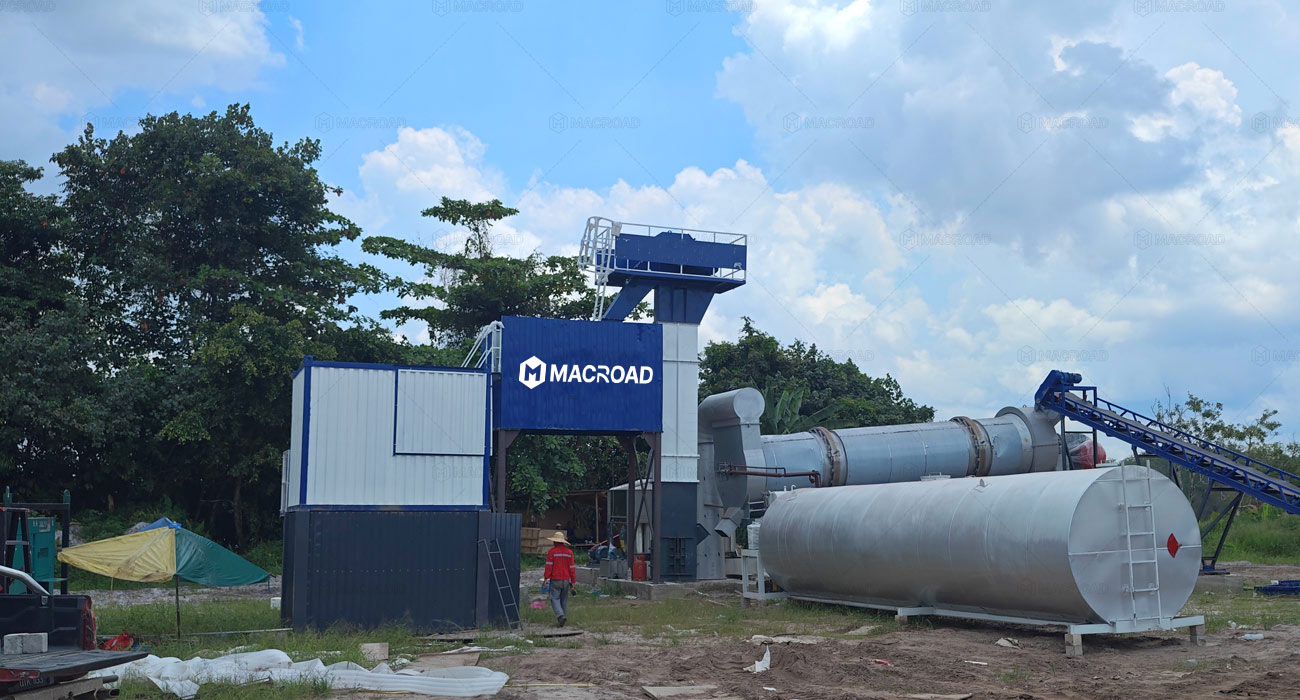
Mixing Temperature Control
One of the most critical parameters for stable coordination between asphalt drum mixing plants and asphalt pavers is mixing temperature control. The temperature at which asphalt is mixed in the drum directly affects its viscosity and workability. Each asphalt project requires specific temperature settings to ensure that the asphalt retains its optimal properties during transportation and application.
Maintaining an appropriate mixing temperature is essential for ensuring that the asphalt remains workable when it reaches the paver. If the asphalt cools too much during transit, it could lead to poor compaction and surface quality. Conversely, if the temperature is too high, it may result in burning or degradation of the asphalt. Therefore, close monitoring and precise control of mixing temperatures in the asphalt drum mixing plant are vital for seamless coordination with asphalt pavers.
In addition, communication between the plant and paver operators regarding temperature requirements can help in planning and managing the mixing process. By ensuring that both teams have a shared understanding of these parameters, they can work more effectively together to deliver high-quality asphalt that meets project specifications.
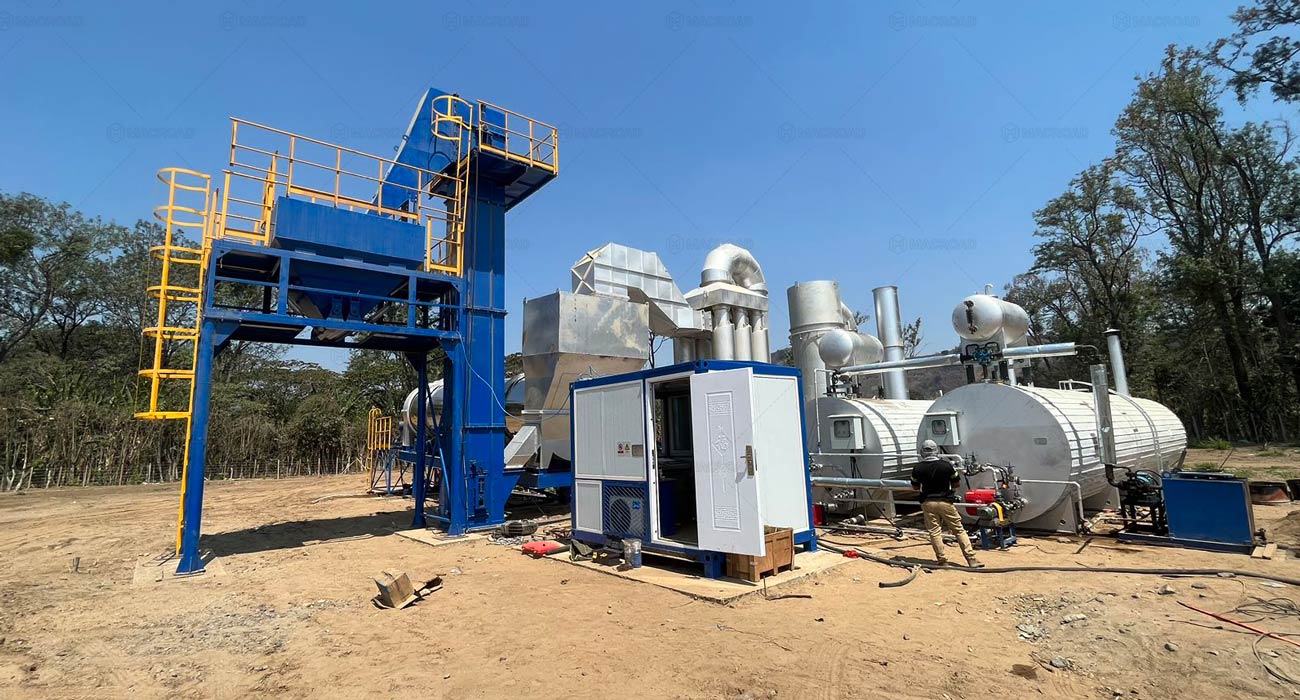
Material Delivery Timing
Another key factor for achieving stable coordination is material delivery timing. The efficiency of asphalt pavers for sale depends heavily on the timely arrival of mixed asphalt. Delays in delivery can result in prolonged downtime, adversely affecting project schedules and potentially compromising pavement integrity.
To optimize delivery timing, it is essential to establish a well-coordinated logistics plan. This plan should account for the distance between the mixing plant and the job site, as well as any potential delays caused by traffic or weather conditions. Planning for buffer times within the delivery schedule can also mitigate risks associated with unforeseen circumstances.
Additionally, implementing a real-time tracking system can greatly enhance the coordination process. Such systems allow both the asphalt drum mixing plant and the asphalt paver operators to monitor the status of deliveries, enabling quick adjustments when necessary. This proactive approach contributes to maintaining a continuous workflow on the job site, ensuring that asphalt is laid consistently without interruptions.
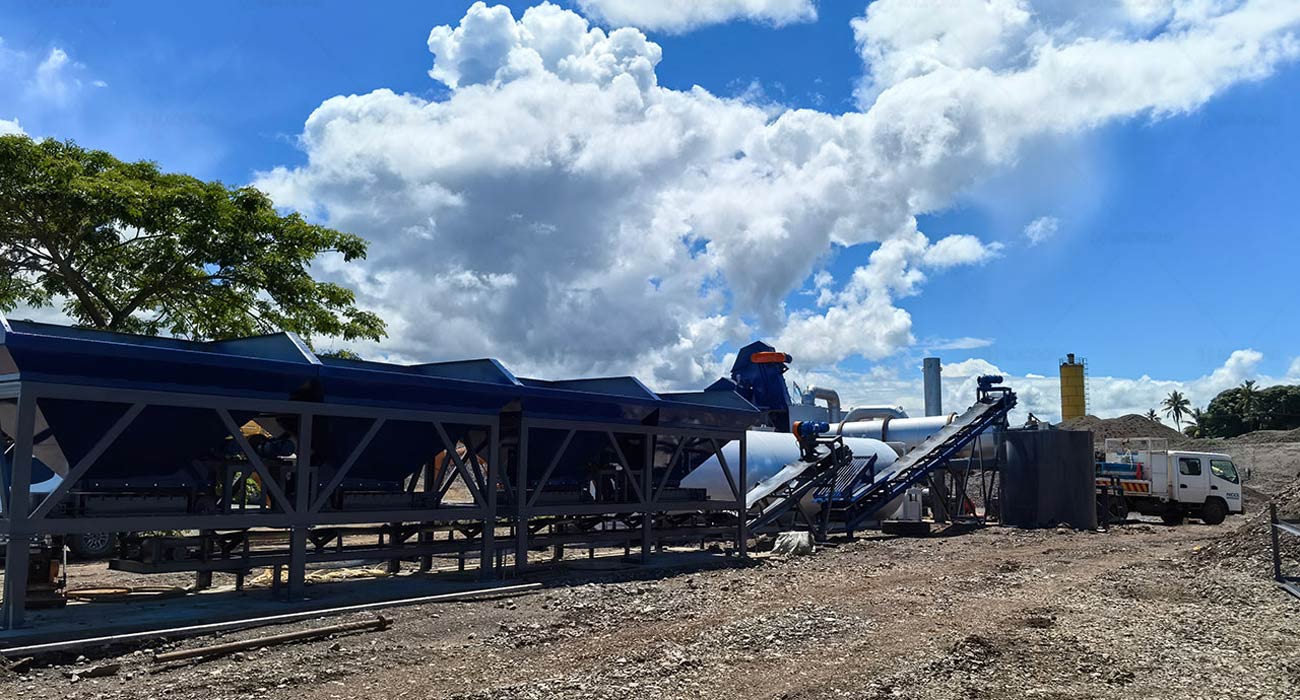
Equipment Compatibility and Performance
The compatibility between asphalt drum mixing plants and asphalt pavers is another crucial parameter for achieving stable coordination. Each type of asphalt paver has specific requirements regarding the type and viscosity of asphalt it can handle effectively. Therefore, it is essential for operators to ensure that the asphalt produced in the mixing plant is suitable for the equipment being used.
Investing in pavers that are compatible with the output from the asphalt drum mixing plant ensures optimal performance and quality results. Using the wrong type of asphalt can lead to difficulties in spreading, compaction issues, and poor pavement performance. Compatibility extends to the technical specifications of both machines, such as feeding mechanisms and mixing capacities.
Moreover, ongoing training for operators on both ends can improve their understanding of how to adjust settings for optimal performance. By fostering a collaborative environment where both the mixing plant and paving crews work together, construction projects can benefit from enhanced efficiency, ultimately resulting in better outcomes for asphalt applications.
Conclusion
In conclusion, achieving stable coordination between asphalt drum mixing plants and asphalt pavers requires careful consideration of key parameters, including mixing temperature control, material delivery timing, and equipment compatibility. By addressing these factors, construction teams can enhance operational efficiency, reduce downtime, and ensure high-quality pavement results. Effective communication and planning among all parties involved in the process are essential for optimal performance, leading to successful project execution and satisfied clients. Prioritizing these parameters is crucial for establishing a seamless operational flow that benefits both the mixing and paving processes.


