Categories
Tags
-
#asphalt plant
#stationary asphalt plant
#mobile asphalt plant
#Batch mix asphalt plant
#Drum Mix Asphalt Plant
Archives
Standard and Optional Equipment Define Purchase Value
-
When evaluating a portable asphalt plant for sale, buyers should base decisions on the standard accessories included and the optional upgrade kits offered by asphalt plant manufacturers. The combination of baseline equipment and available upgrades determines operational readiness, adaptability to site conditions, and long-term cost-efficiency. This article clarifies which items are typically standard, which are commonly optional, and how those distinctions should influence procurement decisions.
Core standard accessories and why they matter
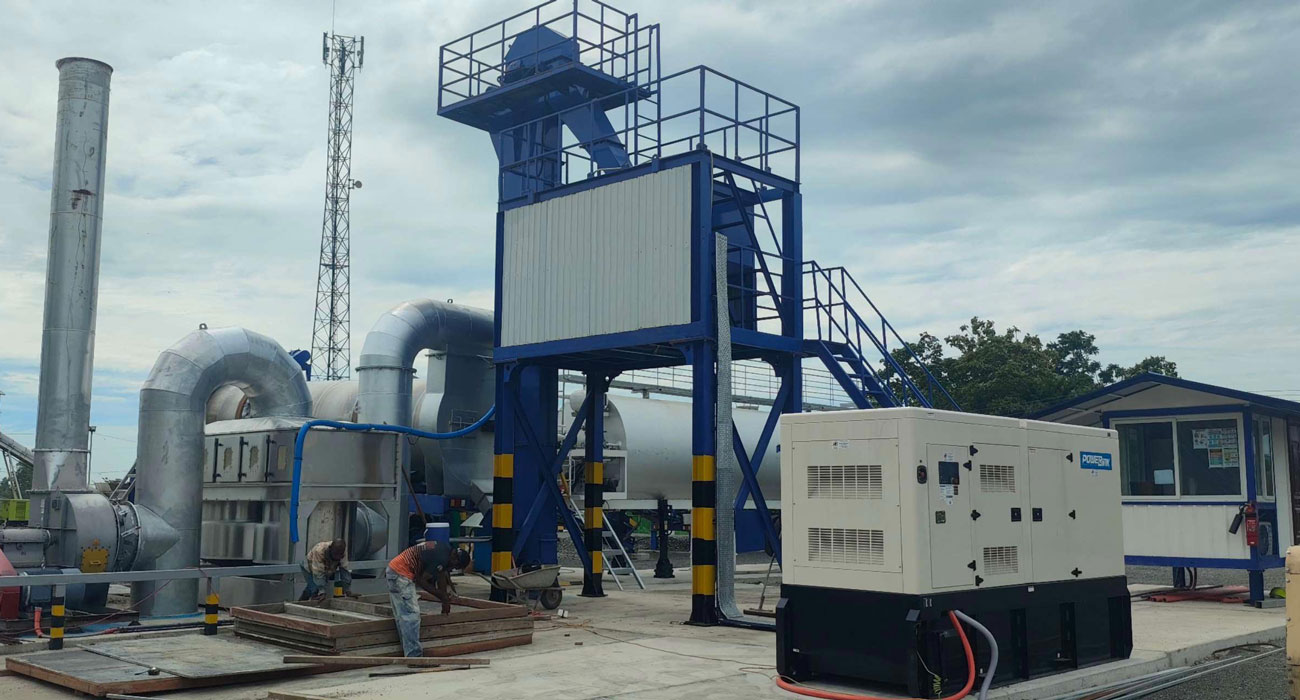
Asphalt plant manufacturers normally include a set of baseline components that permit immediate, safe operation after installation. Standard accessories typically cover the fundamental process chain: aggregate cold feed bins, drying drum, burner system, primary dust collection, mixing unit, hot elevator, and control panel. These items enable the portable asphalt plant for sale to produce consistent mixes without requiring immediate additional purchases.
Beyond production components, standard safety and site items are also important. Basic access platforms, ladders, and emergency shutdown systems are usually supplied to meet minimum operational safety needs. Electrical wiring harnesses and a basic instrumentation suite—temperature gauges, level sensors, and control software—allow operators to monitor production parameters from day one. Buyers should verify these inclusions to avoid unexpected early capital outlays that extend the project timeline or reduce initial throughput.
Understanding the standard package helps buyers compare quotes on an apples-to-apples basis. If one supplier’s portable asphalt plant for sale omits key accessories that another includes, the apparent lower price may be misleading once necessary add-ons are purchased. Prioritizing plants with comprehensive standard kits reduces immediate procurement risk and simplifies commissioning.
Common optional upgrade kits and their operational impact
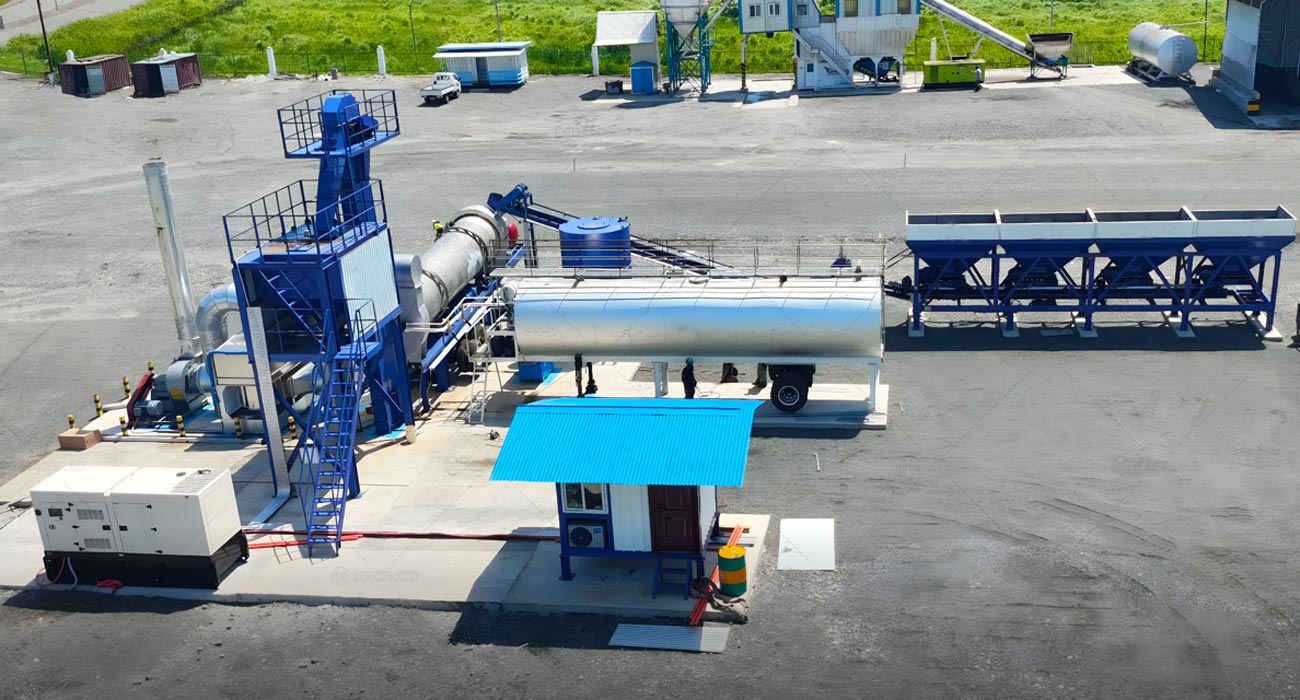
Asphalt plant manufacturers offer optional kits that tailor a portable asphalt plant for sale to site-specific and long-term objectives. Typical upgrades include advanced baghouse filtration, multi-stage dust collectors, and upgraded burners with lower emissions or higher thermal efficiency. These options reduce environmental compliance risk and can lower fuel consumption during sustained operations.
Production flexibility options are also common: additional cold feed compartments for more aggregate gradations, larger hot aggregate storage, and high-capacity mixing drums. Automation upgrades—remote monitoring, PLC-based recipe control, and data logging—improve quality control and reduce labor requirements. Optional thermal insulation kits for silos and conveyors limit heat loss and can yield measurable energy savings in cooler climates or extended storage scenarios.
Maintenance and mobility packages are another category of upgrades. Quick-connect hydraulic supports, reinforced chassis for rough terrain, and modular panels for faster assembly/disassembly suit projects with frequent relocation. Spare-part kits and onsite diagnostic toolkits reduce downtime and expedite repairs. Buyers should weigh the cost of these options against expected utilization, relocation frequency, and regulatory constraints.
How to decide between standard and optional offerings
When assessing offers from asphalt plant manufacturers, align required standard items and optional kits with operational priorities. If projects demand rapid mobilization and diverse mix types, prioritize portability and mixing flexibility upgrades. If long-term continuous production is planned, invest in energy-efficient burners and advanced filtration as cost-saving measures over the plant’s lifecycle.
Request a clear bill of materials that distinguishes included accessories from optional kits and ask for quantified performance impacts—fuel savings, emissions reductions, setup time improvements—wherever possible. Comparing lifecycle costs rather than purchase price alone yields a more accurate projection of return on investment for any portable asphalt plant for sale.
Conclusion
Careful scrutiny of what asphalt plant manufacturers include as standard and what they offer as optional determines the true value of a portable asphalt plant for sale. Aligning these offerings with operational needs, regulatory constraints, and relocation plans enables more informed purchasing decisions and better long-term performance.


