Categories
Tags
-
#asphalt plant
#stationary asphalt plant
#mobile asphalt plant
#Batch mix asphalt plant
#Drum Mix Asphalt Plant
Archives
Transparent Pricing Mechanisms for Asphalt Plant Suppliers
-
Asphalt plant suppliers can build client trust by establishing transparent pricing mechanisms for the price of hot mix plant. By basing prices on core component specifications and clarifying after-sales service commitments, suppliers can foster transparency in customer interactions. This approach not only enhances customer confidence but also simplifies the decision-making process, enabling clients to understand the value they are receiving for their investment.
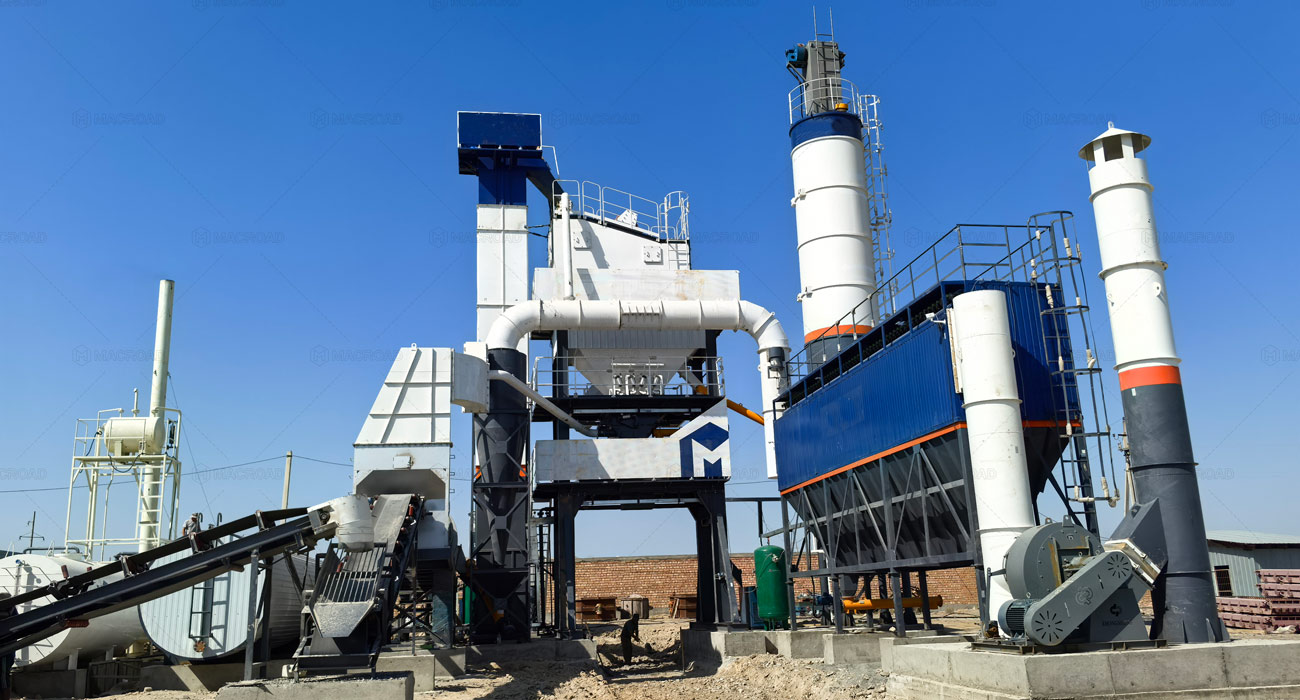
Core Component Specification Transparency
A fundamental aspect of transparent pricing mechanisms involves clarity on core component specifications. Asphalt plant suppliers should provide detailed breakdowns of the costs associated with each major component of the hot mix plant. This can include information on the quality of materials used, the technologies incorporated, and the performance specifications of critical parts such as mixers, feeders, and control systems.
By itemizing costs and tying them to the specifications of individual components, suppliers can ensure that clients understand what they are paying for. For instance, if a supplier offers a choice between standard and premium components, they should clearly explain the differences in performance and durability, along with the corresponding price variations. This clarity allows clients to make informed choices based on their specific needs and budget constraints, ultimately building a foundation of trust between the supplier and the client.
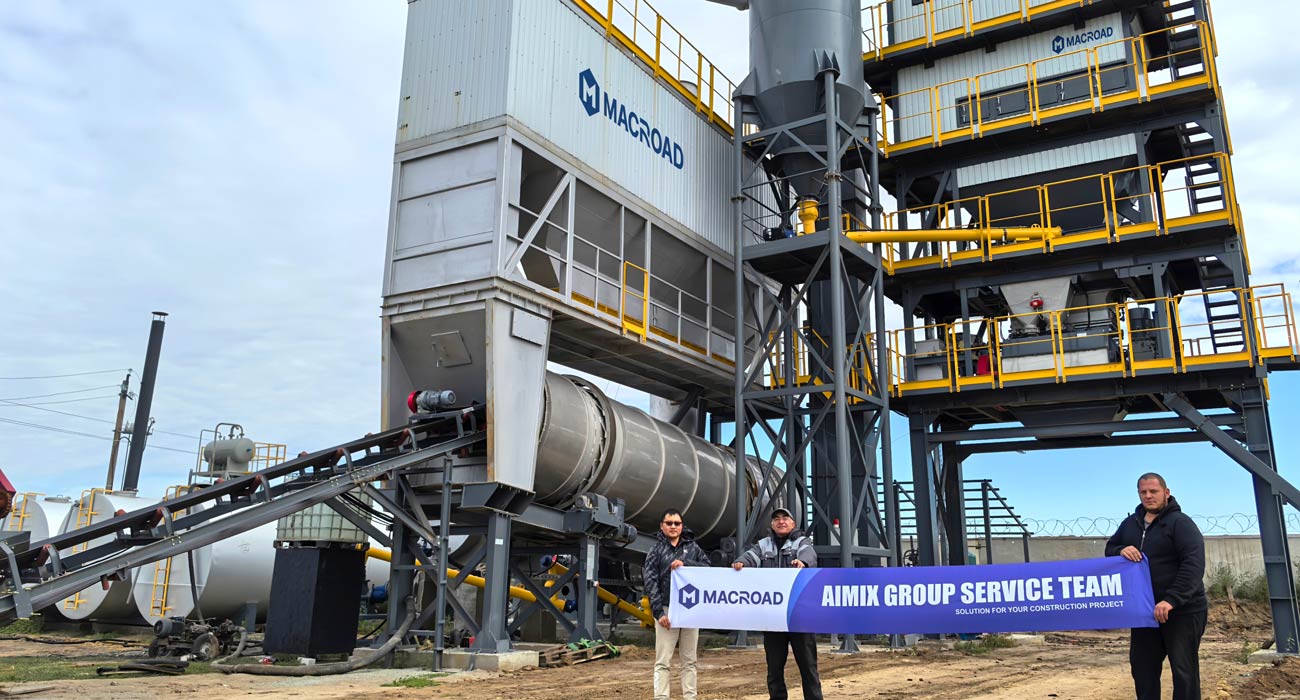
Clear After-Sales Service Commitments
In addition to core specifications, transparent pricing mechanisms should include clearly defined after-sales service commitments. Asphalt plant suppliers can enhance client trust by outlining what customers can expect in terms of service and support after the purchase. This includes warranty details, maintenance provisions, availability of spare parts, and the response times for service requests.
By being upfront about these commitments, suppliers allow clients to gauge the long-term value of their investment. For example, if a supplier offers an extensive warranty on specific components along with timely maintenance services, this should be reflected in the pricing structure. Clients will appreciate knowing that they are making a sound investment that comes with ongoing support, particularly given the complexity of asphalt plants. By clearly communicating these aspects, suppliers can differentiate themselves in a competitive market and reinforce the idea that they are committed to customer satisfaction.
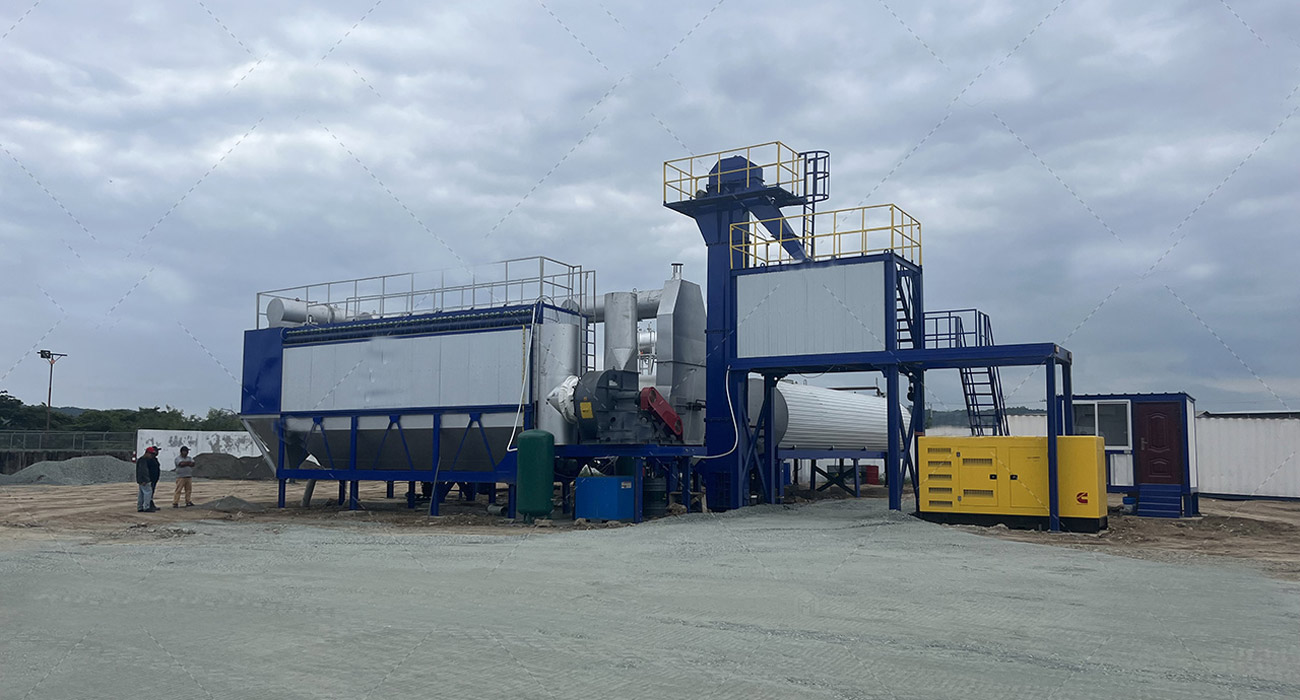
Implementing a Pricing Framework
Establishing a consistent pricing framework can further solidify transparent pricing mechanisms. Asphalt plant suppliers should consider creating a pricing model that takes into account the specifications of the hot mix plant, alongside the standards of after-sales service. This could involve tiered pricing structures based on the level of service commitment or the quality of components.
Such a framework allows clients to compare pricing directly and understand the rationale behind the costs. Furthermore, suppliers can offer flexible financing options or discounts for long-term service agreements, which adds another layer of transparency and trust. By presenting pricing in a straightforward manner, suppliers make it easier for clients to analyze their options and choose a solution that best fits their operational needs.
Conclusion
In conclusion, asphalt plant suppliers can create transparent pricing mechanisms for the price of hot mix plant by focusing on core component specifications and clear after-sales service commitments. Providing detailed breakdowns of costs ensures clients grasp the value of their investments, while solidifying after-sales support enhances trust and satisfaction. Implementing a consistent pricing framework further facilitates informed decision-making among clients. This transparency not only strengthens customer relationships but also enhances the supplier's reputation in a competitive market, leading to long-term success.


