Categories
Tags
-
#asphalt plant
#stationary asphalt plant
#mobile asphalt plant
#Batch mix asphalt plant
#Drum Mix Asphalt Plant
Archives
Balancing Compact Design and Capacity in Portable Asphalt Plant
-
Manufacturers of portable asphalt plants face the challenge of balancing compact design with the high-capacity mixing needs essential for urban emergency road maintenance tasks. These requirements demand flexibility and efficiency, making it crucial for manufacturers to engineer solutions that meet both spatial constraints and production demands. By understanding these dynamics, contractors can optimize their operations to achieve timely and effective responses during urban maintenance.
Importance of Compact Design
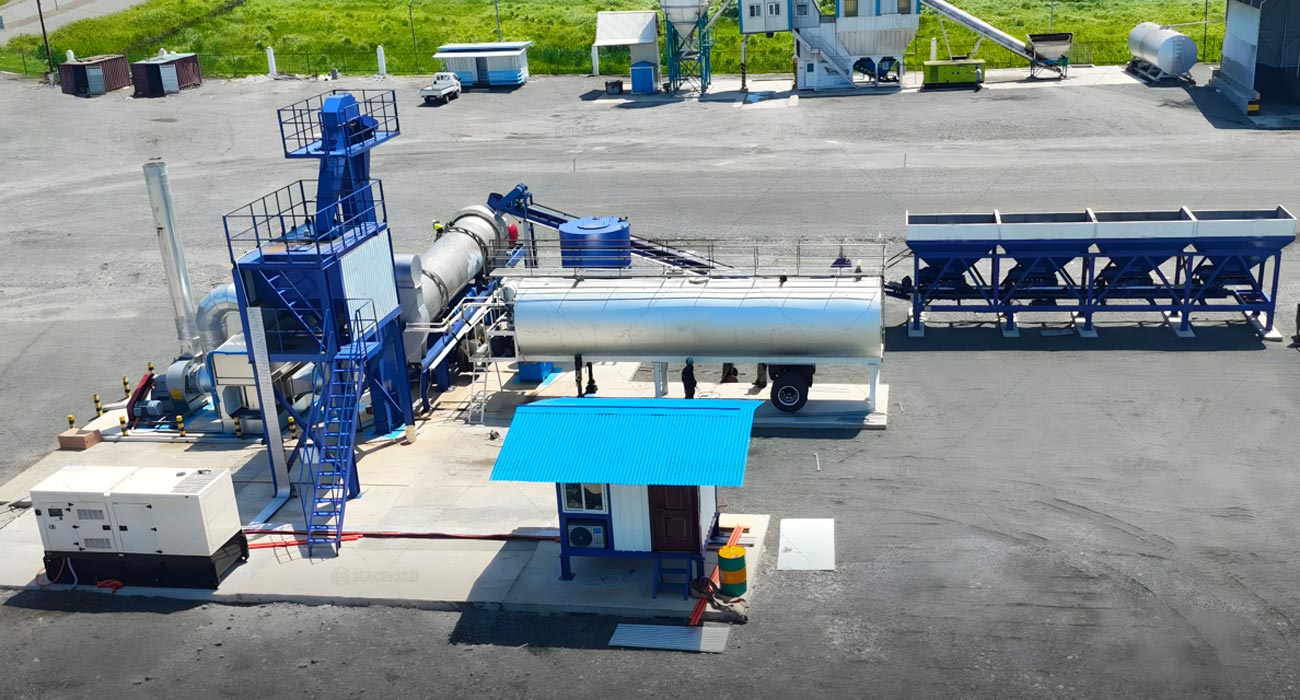
The compact design of portable asphalt plant is a key feature that enhances their usability in urban environments. Limited space and congested roadways often complicate the deployment of large machinery, making smaller, more agile plants a necessity. Manufacturers focus on creating portable asphalt plants that maintain a reduced footprint without compromising essential functionalities.
This compactness allows for easy transportation and setup, enabling rapid responses to emergencies. The ability to swiftly deploy a plant in response to road repairs or maintenance not only minimizes disruption but also increases the efficiency of repair operations. As urban infrastructure ages, the demand for quick and efficient solutions becomes ever more critical, highlighting the importance of compact design in portable asphalt plants.
High-Capacity Mixing Solutions
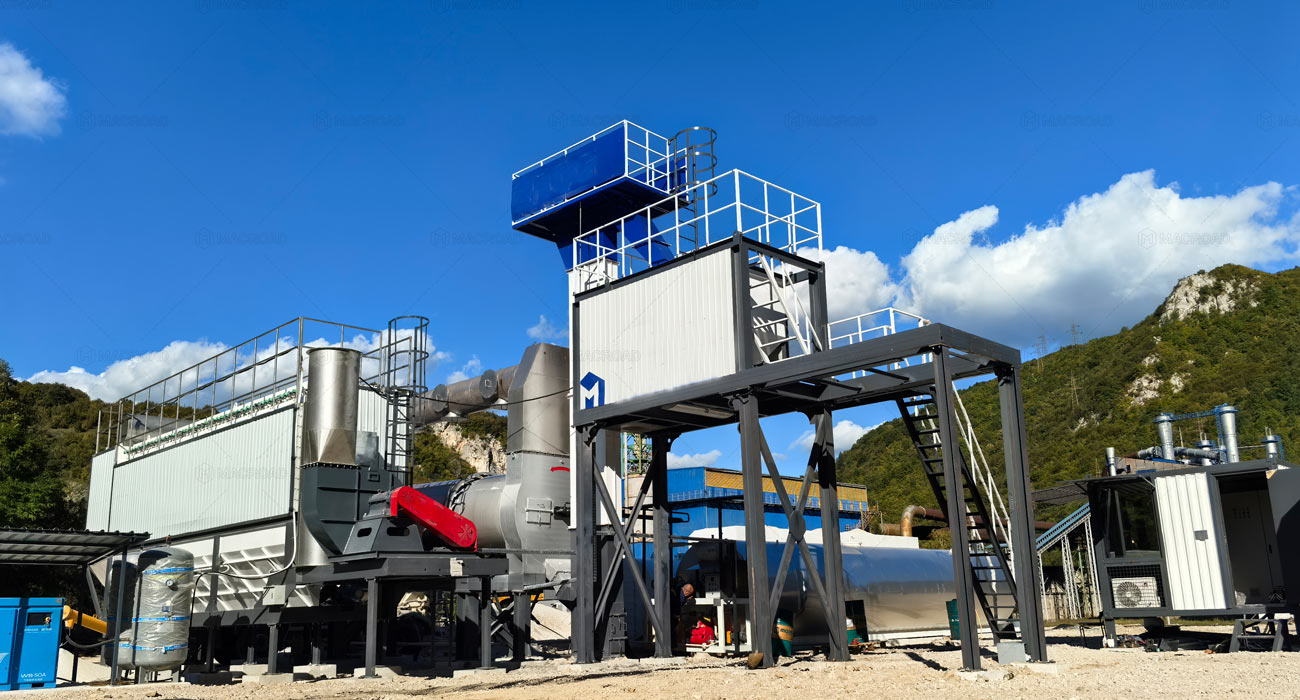
Despite the compact nature of portable asphalt plants, manufacturers prioritize high-capacity mixing capabilities to meet the demands of urban maintenance tasks. Achieving this balance requires innovative engineering. Advances in mixing technology enable these plants to deliver substantial output without requiring extensive space.
For instance, the incorporation of advanced mixing drums allows for efficient blending of asphalt without the need for larger equipment. Manufacturers also employ optimized material feeding systems that enhance the mixing process while conserving space. These high-capacity solutions ensure that even in the constrained environments typical of urban maintenance, contractors can produce enough asphalt to efficiently handle repairs.
Flexibility and Adaptability
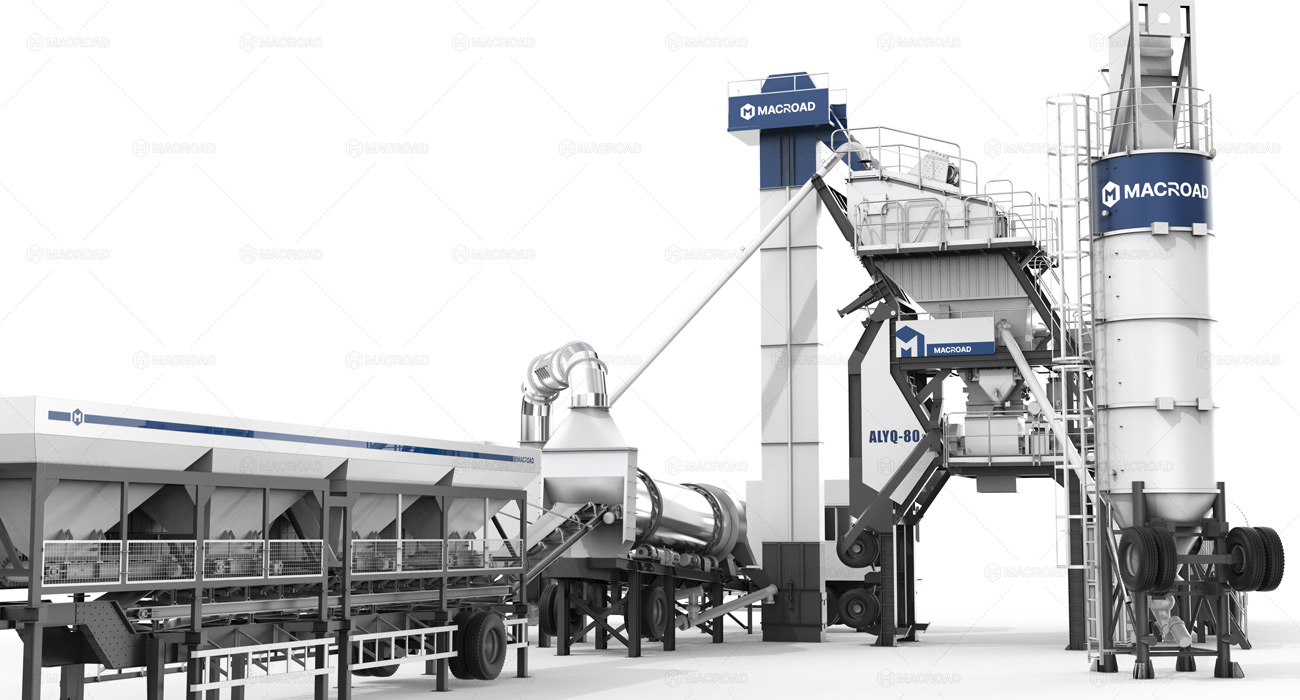
Flexibility is another crucial aspect of portable asphalt plant that manufacturers carefully consider. Urban environments present a variety of challenges, including changing project requirements and variable material availability. To address these factors, manufacturers design portable asphalt plants with adaptable features that enable operators to modify the setup based on specific project needs.
Incorporating modular components allows for adjustments in production capacity, enabling plants to scale output based on ongoing requirements. This adaptability not only ensures a consistent quality of asphalt produced but also aligns with the dynamic nature of urban maintenance tasks. The ability to swiftly change configurations means contractors can respond effectively to any shifts in project scope.
Emphasizing Efficiency in Operations
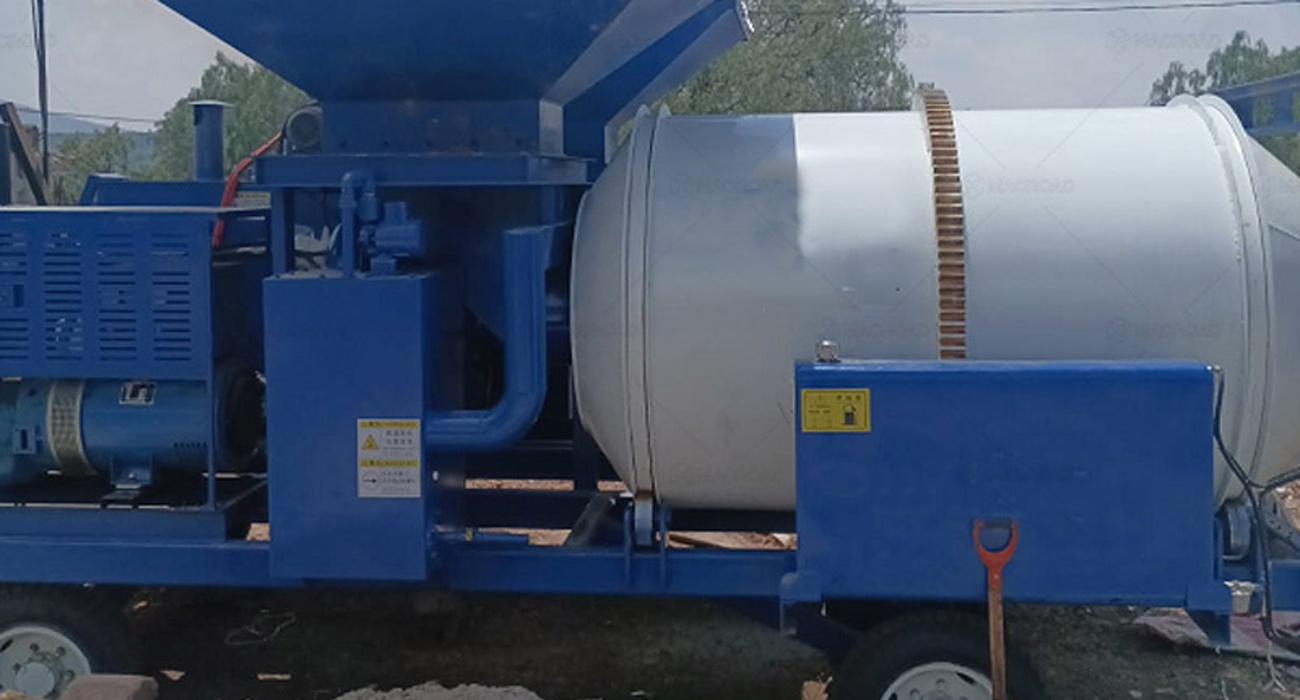
To further enhance the effectiveness of portable asphalt plants, manufacturers focus on operational efficiency. By integrating advanced technologies, such as automated control systems, manufacturers enable real-time monitoring and adjustments during the mixing process. This ensures that the plants operate at optimal levels, maximizing output while minimizing resource wastage.
Moreover, efficiency in operation extends to the logistics of transporting and setting up the plant. A design that simplifies these processes allows contractors to deploy equipment faster, facilitating quicker responses to emergency situations. As manufacturers continue to innovate, the emphasis on improving operational efficiency remains paramount for meeting the challenges posed by urban infrastructure maintenance.
Conclusion
The balance between compact design and high-capacity mixing needs in portable asphalt plants is a critical focus for manufacturers, especially in the context of urban emergency road maintenance tasks. The compact design ensures that these plants can be deployed quickly and efficiently, while high-capacity mixing solutions provide the necessary output to tackle urgent repairs. Emphasizing flexibility and operational efficiency further enhances their utility, making them invaluable assets in urban construction. By understanding these dynamics, contractors can leverage the benefits of portable asphalt plants, ensuring effective and timely maintenance of urban roadways. The integration of these features ultimately leads to improved infrastructure resilience and community satisfaction.


