Categories
Tags
Archives
Strong Fiberglass RIB Boat for Fishing and Rescue Use
-
When reliability, safety, and performance matter most, a Fiberglass RIB Boat stands out as a versatile solution for both fishing enthusiasts and professional rescue teams. Combining a rigid fiberglass hull with inflatable tubes, these boats are engineered to perform in challenging marine environments while offering stability, speed, and durability.
This guide explores why fiberglass RIBs are widely trusted for fishing and rescue operations, what features to look for, and how different configurations can meet diverse on-water needs.
What Is a Fiberglass RIB Boat?
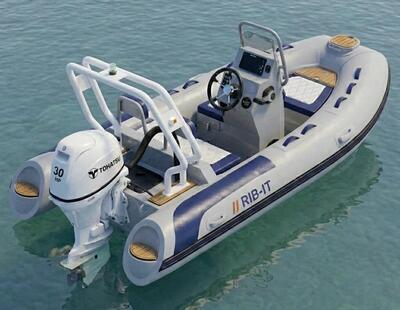
A Fiberglass RIB Boat (Rigid Inflatable Boat) features a solid fiberglass hull paired with inflatable tubes made from durable materials such as Hypalon or PVC. The fiberglass hull provides structural strength and improved hydrodynamics, while the inflatable collar enhances buoyancy and shock absorption.
This hybrid design creates a vessel that is lightweight yet rugged—ideal for both recreational and professional use.
Why Choose a Fiberglass RIB Boat for Fishing?
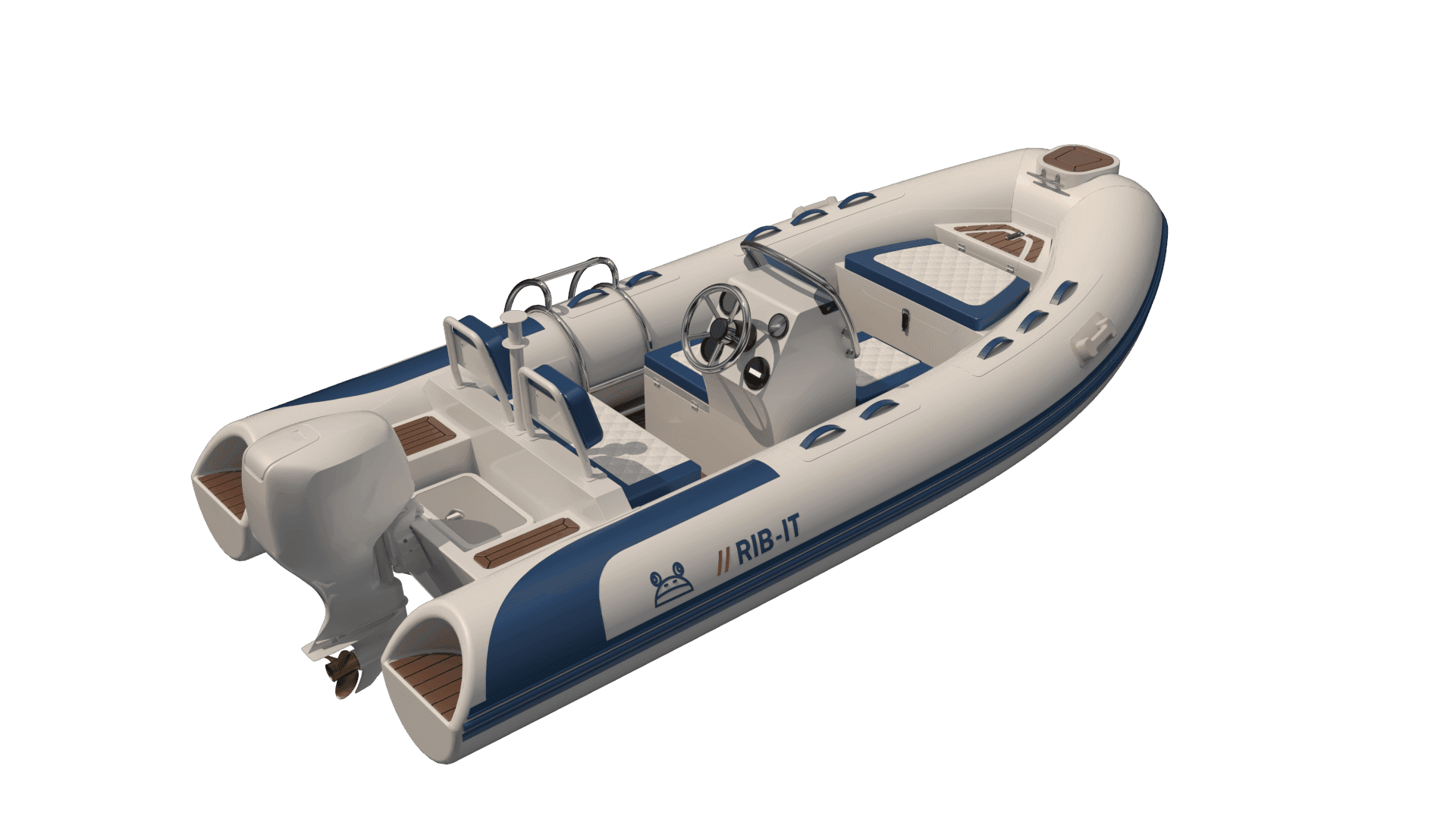
Fishing often requires a stable and dependable platform, especially in offshore or unpredictable waters. Fiberglass RIBs offer several advantages:
1. Stability in Rough Waters
The inflatable tubes act as stabilizers, reducing roll and making it easier to fish comfortably even in choppy conditions.
2. Spacious and Functional Layout
Fiberglass construction allows for optimized deck layouts, offering more usable space for gear, coolers, and movement.
3. Durability Against Wear
Fishing environments can be harsh, with exposure to saltwater, UV rays, and equipment impact. Fiberglass hulls resist corrosion and maintain structural integrity over time.
4. Fuel Efficiency and Performance
The streamlined hull design enhances fuel efficiency and enables smoother rides, even at higher speeds.
Why Fiberglass RIB Boats Excel in Rescue Operations
Rescue missions demand quick response, reliability, and safety. A Fiberglass RIB Boat is often the vessel of choice for coast guards, patrol teams, and emergency responders.
1. High Speed and Maneuverability
Fiberglass RIBs are designed for rapid deployment, allowing crews to reach emergencies quickly.
2. Enhanced Safety Features
The inflatable tubes provide extra buoyancy and act as a protective barrier during close-contact rescues.
3. Load-Carrying Capability
These boats can carry multiple passengers, equipment, and medical supplies without compromising performance.
4. All-Weather Reliability
Built with marine-grade materials, fiberglass RIBs can handle extreme conditions, making them suitable for year-round operations.
Key Features to Look For
When selecting a Fiberglass RIB Boat for fishing or rescue, consider the following:
- Hull Design: Deep-V hulls improve wave handling and ride comfort.
- Tube Material: Hypalon offers superior durability for professional use.
- Engine Compatibility: Ensure adequate power for your intended use.
- Storage Options: Built-in compartments improve organization.
- Safety Equipment: Grab lines, non-slip decks, and reinforced tubes enhance safety.
Popular Configurations and Sizes
Fiberglass RIB boats are available in a wide range of sizes and configurations to suit different needs:
Classic Series
Designed for reliability and comfort, ideal for family fishing trips and recreational use.
Sport Series
Focused on speed and agility, perfect for water sports and fast offshore travel.
Hybrid Series
Combines performance and versatility, offering a balance between comfort and rugged capability.
Patrol Series
Built for demanding environments, these models are commonly used in rescue and professional operations.
From compact 3.3-meter boats to larger 10-meter vessels, there is a configuration suited for every requirement—from solo anglers to full rescue crews.
Maintenance and Longevity
One of the biggest advantages of a Fiberglass RIB Boat is its long lifespan when properly maintained. Here are a few tips:
- Rinse with fresh water after each use to remove salt and debris.
- Inspect tubes regularly for leaks or wear.
- Store the boat in a shaded or covered area when not in use.
- Perform routine engine and hull inspections.
With proper care, these boats can deliver consistent performance for many years.
Applications Beyond Fishing and Rescue
While fishing and rescue are primary uses, fiberglass RIB boats are also suitable for:
- Coastal patrol and security
- Diving expeditions
- Passenger transport
- Leisure cruising
Their adaptability makes them a preferred choice across multiple marine sectors.
Conclusion
A Fiberglass RIB Boat offers a unique combination of strength, stability, and performance. Whether navigating offshore fishing grounds or responding to emergencies, these boats are built to handle demanding conditions with confidence.
With various sizes and configurations available, choosing the right model depends on your specific needs, whether recreational or professional. By focusing on durability, safety, and functionality, fiberglass RIBs continue to set the standard in modern boating.
FAQs
1. What makes a Fiberglass RIB Boat durable?
The combination of a rigid fiberglass hull and inflatable tubes provides structural strength, impact resistance, and enhanced buoyancy.
2. Are fiberglass RIB boats suitable for offshore fishing?
Yes, their stability, deep-V hull design, and safety features make them ideal for offshore conditions.
3. How long does a Fiberglass RIB Boat last?
With proper maintenance, these boats can last for many years, often exceeding a decade of reliable use.
4. Which size is best for rescue operations?
Typically, boats between 5 to 8 meters offer a good balance of speed, capacity, and maneuverability.
5. Are fiberglass RIB boats easy to maintain?
Yes, routine cleaning, inspections, and proper storage are usually sufficient to keep them in good condition.


