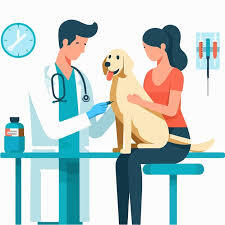
Pets cannot communicate their discomfort the way humans do, which makes identifying health problems more challenging for pet owners. Many illnesses in animals develop silently, showing very few symptoms during the early stages. Because of this, professional medical evaluation plays a crucial role in maintaining a pet’s long-term health.
A qualified Vet Doctor is trained to detect subtle signs of illness that may not be obvious to pet parents. Through careful examination, diagnostic testing, and medical expertise, veterinarians can uncover hidden health problems before they become serious.
Why Hidden Health Problems Are Common in Pets
Animals naturally hide signs of weakness or illness, a behavior inherited from their wild ancestors. This instinct makes it difficult for owners to recognize when something is wrong.
Some conditions may develop gradually without noticeable symptoms, such as:
-
Early-stage kidney disease
-
Hormonal imbalances
-
Heart conditions
-
Internal infections
-
Digestive disorders
Because these conditions can remain unnoticed for long periods, regular evaluations by a vet doctor are essential for early detection.
Physical Examinations Reveal Early Warning Signs
One of the first steps in diagnosing hidden health issues is a thorough physical examination. During a routine checkup, a veterinarian carefully assesses the pet’s body to identify abnormalities.
A vet doctor typically examines:
-
Skin and coat condition
-
Eyes, ears, and nose
-
Teeth and gums
-
Heart and breathing patterns
-
Joint movement and mobility
Even small changes in these areas can indicate underlying medical conditions that require further investigation.
Diagnostic Tests Help Identify Internal Problems
While physical examinations provide valuable insights, some health issues can only be detected through diagnostic tests. Veterinarians rely on modern medical tools to evaluate internal organs and body functions.
Common diagnostic tests include:
Blood Tests
Blood tests help evaluate organ function, detect infections, and identify metabolic disorders. They are often used to diagnose conditions affecting the liver, kidneys, or immune system.
Urine Analysis
Urinalysis helps detect urinary tract infections, kidney disease, diabetes, and other metabolic issues.
Imaging Techniques
X-rays and ultrasound scans allow veterinarians to examine internal organs, bones, and tissues. These imaging tools are particularly useful for identifying tumors, fractures, or internal injuries.
These tests enable a vet doctor to diagnose conditions that may not show visible symptoms.
Monitoring Behavioral and Lifestyle Changes
Changes in a pet’s behavior can often indicate hidden health problems. Pet owners may notice subtle differences that seem minor but could signal underlying medical concerns.
Some warning signs include:
-
Decreased appetite
-
Unusual fatigue or low energy
-
Sudden weight gain or loss
-
Increased thirst or urination
-
Changes in sleep patterns
Veterinarians carefully analyze these behavioral clues along with medical tests to reach an accurate diagnosis.
The Importance of Regular Health Checkups
Routine veterinary visits play a vital role in detecting diseases early. Many serious conditions can be successfully treated if they are diagnosed during the early stages.
Regular checkups allow veterinarians to track a pet’s health over time, identify small changes, and recommend preventive care. This proactive approach significantly improves treatment outcomes and helps pets live healthier lives.
Comprehensive veterinary services and experienced professionals at Vetic support pet parents in identifying and managing hidden health problems before they become serious.
Conclusion
Hidden health issues in pets can go unnoticed for long periods, making early diagnosis essential. Through detailed physical examinations, advanced diagnostic testing, and careful monitoring of behavioral changes, vet doctors can identify medical problems that might otherwise remain undetected.
By scheduling routine veterinary visits and paying attention to subtle health changes, pet owners can ensure their pets receive timely care and maintain a healthier, happier life.


