Categories
Tags
Archives
Tudor Watches Trends: Styles That Are Making a Comeback
-
Posted by Design Your Jewelry Filed in Shopping #Luxury Watch Brands #Tudor Watches #Tudor Luxury Watches #Men's Tudor Watches 72 views
Time is funny. It moves forward, obviously, but it also loops back on itself when you least expect it. One day you’re scrolling through new releases, all ceramic bezels and sharp edges… And the next, you’re staring at a watch that looks like it could’ve been worn in 1965. And somehow, it feels right.
That’s where Tudor Watches are right now. Not chasing the future. Not stuck in the past either. Just… revisiting things that worked, and trusting that they still do. Anyway. Let’s talk about what’s coming back—and why people are paying attention again.
The Return of Smaller, More Human Case Sizes
For a while, watches got big. Like, really big. Thick. Loud. Almost defensive, in a way. But lately? Something’s shifted.
There’s a quiet return to restraint—36 mm, 37 mm, and 39 mm cases that don’t announce themselves from across the room. Tudor Watches leaned into this early, and now it feels like everyone’s catching up. When you strap one on, there’s that moment—the metal is cold at first, then warms to your skin—and it just sits there. Not dominating. Not disappearing.
I could list dimensions and lug-to-lug measurements here, but that’s not really what matters, is it? What matters is comfort. Ease. A watch that feels like it belongs on your wrist, not like it’s borrowing space. Some of the newer releases from Tudor feel like they were designed for actual days, not display cases. You forget them. Until you don’t.
Vintage Tool Watches Are Back
Dive watches. Field watches. GMTs that look like they’ve seen airports that don’t exist anymore. This is the heart of the comeback. The brushed steel. The matte dials. The just slightly warm, not blinding white. It’s all very intentional—and a little nostalgic, sure—but not costume-y. That’s the difference.
There’s something reassuring about a watch that looks like it could survive a fall, a swim, or a bad decision made on a Friday night. That’s why these tool-inspired designs are showing up again, especially in men’s Tudor watches that lean more practical than flashy.
And honestly? Scratches help. They soften things. Make it yours. I read once about a man who wore the same watch for forty years. Never serviced it. Never replaced it. I wonder if it ever stopped—or if he just stopped noticing.
Snowflake Hands, Again… Still
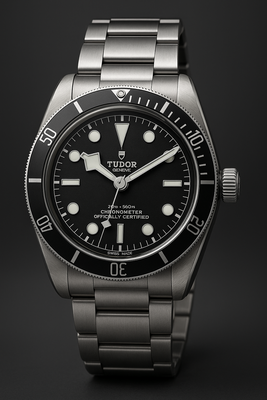
Some design elements fade out quietly. Others refuse to leave. Tudor’s snowflake hands fall into the second category. They’re back—still angular, still polarizing, still weirdly perfect once you give them a chance. At first glance, they almost look too bold for such restrained dials. But then you watch them move. That square hour hand catching the light. The second hand sweeps, steady, patient.
It ticks. That’s all. In an era where so many luxury watch brands are smoothing everything into generic elegance, Tudor’s willingness to keep something slightly awkward feels refreshing. Like they didn’t sand off all the personality. And yeah, it’s a callback. But it doesn’t feel lazy. It feels stubborn. In a good way.
Muted Colors Over High Gloss Everything
Here’s another thing making a comeback: understatement. Deep blues that look almost black in low light. Greens that feel more forest than emerald. Bezels that don’t shine until you move your wrist just right. These aren’t watches begging for attention. They’re watches that wait.
You notice them in quiet moments. Standing in line for coffee. Sitting alone in the kitchen at night. There’s a faint click when you turn the bezel—softer than a heartbeat—and it’s oddly calming.
This approach is part of why Tudor Luxury Watches are resonating again. They don’t feel like trends. They feel like objects meant to stick around, to age, and to pick up little marks and memories along the way. Maybe it’s silly, but I still check my watch even when I don’t need to know the time. Habit, I guess.
Fabric Straps, Worn Leather, and the Anti-Gloss Movement
Bracelets are great. Solid. Familiar. But the comeback of fabric straps—woven, soft, slightly rough at the edges—says a lot about where watch culture is drifting. Same with leather straps that look better after they’ve been bent, sweated in, and forgotten in a drawer for a week. These choices feel personal. Less showroom, more real life. Tudor’s strap options lean into this. Nothing feels over-polished. Nothing feels precious. Which is kind of the point.
And because these designs are grounded, they don’t scream “luxury” in the traditional sense. Yet among luxury Watch brands, Tudor keeps carving out this space where quality doesn’t need a spotlight to prove itself. It’s the kind of care you can’t fake.
Heritage Without the Museum Vibe
There’s a fine line between honoring the past and getting stuck in it. Some brands trip. Tudor doesn’t. Or at least, not often. The current wave of Tudor Watches pulls from old references—military-issued pieces, early divers, explorers’ watches—but cleans them up just enough. You get modern reliability, modern movements, modern build quality… wrapped in something that feels familiar in a way you can’t quite explain.
No script. Just habit. You wear it for a week. Then a month. Then suddenly it’s just there, part of your routine. Like keys. Like shoes by the door. And maybe that’s why these styles are coming back. Not because they’re trendy. But because they don’t fight for attention in a world already full of noise.
Why This Comeback Actually Matters
Here’s the thing. Trends usually come with hype. Loud launches. Influencers shouting into cameras. This doesn’t feel like that. This feels slower. More deliberate. Like people are realizing they don’t need the newest, boldest thing every year. They want something that feels steady. Familiar. Something that still looks good when the excitement fades.
That’s where Tudor is landing right now—especially with Men’s Tudor Watches that balance presence and restraint in a way not many brands manage anymore. And among Tudor Luxury Watches, the best ones don’t try to convince you. They just exist. Confident. Unbothered. I don’t know. Maybe that’s why these styles are resurfacing. Or maybe watches, like people, just circle back to who they were once they get tired of pretending.
Either way, Tudor watches keep showing up on wrists that don’t chase attention—and maybe that’s the most modern trend of all. Anyway… I still like hearing them tick late at night, when everything else is quiet.


