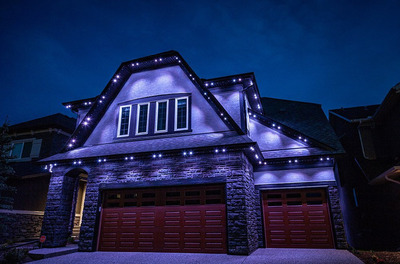
Does Permanent Holiday Lighting Damage Your Roof or Walls?
-
If you’ve ever stood outside in December fighting with tangled wires or climbing a ladder in the cold, the idea of having lights already in place all year can sound like a dream. No setup. No mess. No stress.
But then one thought usually stops people: Is this going to mess up my roof or walls?That’s not an overreaction. Your house isn’t just something you decorate once a year—it’s where you live, and repairs aren’t cheap. So it makes sense to be careful before attaching anything long-term to the outside of it.
Let’s talk about this in a real, straightforward way.
Why So Many Homeowners Are Nervous About It
Most concerns come from past bad experiences. People remember nails driven into siding, staples ripped out of trim, or holes left behind after lights were taken down. Do that year after year and suddenly you’re dealing with loose panels, chipped paint, or even water sneaking in.
So when people hear the word permanent, they imagine even more drilling, more holes, and more chances for damage. But here’s the key thing most people don’t realize: the damage usually comes from bad installation, not from the lighting itself.
How Today’s Systems Are Meant to Be Installed
Modern permanent christmas lighting isn’t installed the way old holiday lights were. There’s no random hammering or quick fixes. Everything is planned ahead of time.
Installers use slim tracks or mounting systems that tuck into areas of the home already built to support exterior features—like fascia boards, trim, or areas under the roof edge. These spots are chosen because they don’t interfere with how your roof sheds water or how your walls expand and contract.
When done properly, the lights don’t look “added on.” They look like they belong there.
What Really Happens to Your Roof
One of the biggest fears is roof damage, especially leaks. The good news is that experienced installers don’t drill into shingles or tiles. That would be a huge mistake and professionals know it.
Instead, attachment points are placed where they won’t compromise the roof’s protective layers. And here’s something people often overlook: once the system is installed, you’re no longer climbing up there every year. That alone reduces accidental damage, cracked shingles, and safety risks.
With permanent christmas lighting, the roof actually gets less abuse over time, not more.
What About Walls and Siding?
Walls are a little trickier because homes use so many different materials. Brick, stucco, wood, and vinyl all react differently to pressure and drilling. Treating them the same is usually where problems start.
Good installers adjust their method depending on what your home is made of. Brick is handled carefully to avoid cracking. Vinyl often uses clip systems instead of screws. Stucco requires extra care to avoid chips or stress marks.
That extra attention is what keeps walls looking normal years later, instead of patched up.
Why Who Installs It Matters More Than Anything Else
Here’s the honest part: even a high-quality system can cause issues if it’s installed poorly. DIY attempts or rushed jobs can lead to loose tracks, over-tightened screws, or gaps that let moisture in.
A proper permanent christmas lighting installation includes checking the structure first, choosing safe mounting points, sealing exposed areas, and making sure nothing is pulling or rubbing over time. These steps aren’t flashy, but they’re what protect your home.
Weather, Sun, and Long-Term Use
People also worry about heat, rain, and long-term exposure. That’s fair. These systems are built to handle outdoor conditions, using materials that don’t trap heat or hold moisture against your home.
Because the lights stay in place, there’s no yearly tugging, bending, or reinstallation. That consistency actually helps reduce wear instead of causing it.
When Problems Can Happen
Issues usually show up when cheap materials are used, shortcuts are taken, or the installer ignores the condition of the home. That’s why choosing experienced professionals matters. It’s less about the lights and more about the process.
The Bottom Line
When installed correctly, permanent christmas lighting does not damage your roof or walls. In fact, it often prevents the kind of wear that comes from putting lights up and taking them down every year. The real deciding factor isn’t the product—it’s the planning, the placement, and the people doing the work.
If you focus on quality installation instead of quick fixes, you can enjoy year-round lighting without worrying about your home’s structure at all.


