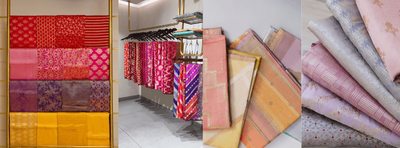
Banarasi Fabrics for Fusion Wear—Material Selection Framework
-
Posted by Shah Narayan Das Filed in Shopping #Banarasi Fabrics for Fusion Wear #Banarasi Fabrics #Banarasi textile selection #Banarasi fabric buying guide #Banarasi fabric for modern outfits 61 views
Defining Fusion-Appropriate Fabrics
Not all Banarasi textiles suit fusion wear. Success depends on fabric weight, motif density, metallic content, drape behavior, and tailoring compatibility.
Highly Fusion-Compatible Fabrics
Georgette (Score: 9/10)
- Weight: 180-250g
- Fluid drape, easy tailoring
- Best for: Draped tops, palazzo pants, kimonos, skirts
- Why: Lightweight nature allows Western silhouettes without stiffness
Tissue/Kora (Score: 9/10)
- Weight: 200-300g
- Crisp yet flexible
- Best for: Overlay jackets, sheer overlays, dupattas as scarves
- Why: Translucency creates layering opportunities; holds structured shapes
Cotton-Silk Blends (Score: 8/10)
- Weight: 300-400g
- Most tailor-friendly
- Best for: Structured shirts, A-line skirts, palazzo pants
- Why: Matte finish reduces "occasion wear" aesthetic; practical for everyday wear
Moderately Compatible Fabrics
Pure Silk/Katan (Score: 6/10)
- Weight: 400-550g
- Requires experienced tailors
- Best for: Structured jackets, pencil skirts, tailored pants
- Limitation: Weight restricts draping; requires precise pattern placement
Satin (Score: 5/10)
- Weight: 350-450g
- Slippery, needs skilled handling
- Best for: Slip dresses, bias-cut skirts, evening jackets
- Limitation: High sheen reads formal; difficult for casual contexts
Limited Compatibility
Heavy Brocade (Score: 3/10)
- Weight: 600g+
- Stiff, challenging to tailor
- Only for: Statement jackets, structured vests for special occasions
- Limitation: Weight and ceremonial aesthetic feel costume-like
Motif Density Analysis
· Low Density (10-25% coverage): Highest fusion potential—functions as near-solid material.
· Moderate Density (25-50%): Selective fusion—best for statement pieces.
· High Density (50%+): Limited fusion—requires entirely neutral supporting outfit.
Metallic Content Guidelines
· 0-10% Zari: Maximum versatility, daytime appropriate, machine washable.
· 10-30% Zari: Moderate flexibility, hand washing required, smart casual to semi-formal.
· 30%+ Zari: Formal contexts only, dry cleaning recommended.
Custom Specification for Fusion Projects
When ordering from textile manufacturers:
Weight Requirements:
- Lightweight fusion: 200-300g
- Medium fusion: 300-400g
- Structured fusion: 400-500g
- Avoid: 500g+ (too heavy)
Motif Specifications:
- Coverage: 10-30% for versatility
- Scale: Small to medium butis
- Placement: Border-focused or scattered
Color Preferences:
- Neutrals: Beige, cream, gray, navy, black
- Jewel tones: Emerald, sapphire, burgundy
- Avoid traditional brights unless specifically desired
Zari Limit: Maximum 30% for fusion wear
Practical Swatch Testing
Before purchasing full yardage:
- Test drape behavior (hang vertically, observe fall)
- Check tailoring compatibility (scissors cut, fraying assessment)
- Validate pairing (place against existing wardrobe pieces)
- Assess comfort (texture, weight, climate suitability)
Common Selection Mistakes
- Choosing aesthetics over functionality
- Underestimating fabric weight impact
- Ignoring motif placement on body
- Insufficient yardage purchase
- Skipping pre-wash for washable fabrics
Conclusion
Successful fusion begins with intelligent fabric selection. When you buy fabric online, prioritize material specifications (weight, drape, motif density) over aesthetics alone. Premium fabrics from best saree manufacturers in India offer customization—specified weights, modified motif densities—transforming Banarasi from occasion-wear to lifestyle fabric with genuine cost-per-wear value.


