Updates
Friends
Info
Personal Information
- First Name Rajesh
- Last Name Kumar
- Gender Male
- Birthday January 1, 1994
Contact Information
Personal Details
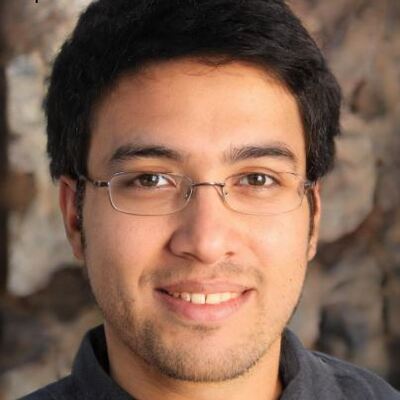
- About Me Hi Friends, I am Rajesh. After 15 years of working and traveling extensively throughout India, I have gained a wealth of knowledge and expertise in the travel industry. Driven by my passion for exploring new places and my desire to provide exceptional service to my guest, I decided to pursue my dream and start my own travel agency.
Compliments
Forum Posts
-
Posted in the topic How Much Will It Cost for a Motorcycle Tour to Nepal? in the forum Off-Topic DiscussionsFebruary 24, 2026 11:28 PM PST
A motorcycle journey into the Himalayan landscapes of Nepal is a premium riding experience that combines mountain terrain, cultural towns, and high altitude adventure. The overall Nepal Motorcycle Tour Price depends on inclusions such as guided support, accommodation, permits, and logistics as mentioned in the official tour details. This professionally curated Nepal bike trip route ensures riders experience Mustang and surrounding Himalayan regions in a structured and safe manner.
Price and Other Things to Know About Nepal Motorcycle Tour
Here are the key details as per the official package:
Price - US$ 1420 per rider on twin sharing basis
Nepal Motorcycle tour Departure Dates 2026
- March 14, 2026 to March 26, 2026
- March 31, 2026 to April 12, 2026
- May 9, 2026 to May 21, 2026
Duration - 13 days guided motorcycle expedition
Starting Point - Siliguri
Best Places Covered - Siliguri, Pokhara, Tatopani, Muktinath, Jomsom, Chitwan National Park
The package is designed for riders who want a complete Himalayan experience without worrying about permits, route planning, or accommodation management. For adventure enthusiasts looking to explore Mustang on two wheels, this tour offers a clear structure, defined cost, and well planned mountain route.
-
Posted in the topic Is Amritsar a Good Starting Point for an Indian Himalayas Tour? in the forum Off-Topic DiscussionsFebruary 24, 2026 11:13 PM PST
Yes, you can start from Amritsar, but it would be a reverse and longer route compared to the official itinerary. While many riders wish to combine a visit to the Golden Temple with their Himalayan journey, the structured plan is designed differently for better route flow and riding comfort.
The Himachal Pradesh Motorcycle Tour with Golden Temple is officially operated as a Delhi to Delhi circuit, with Amritsar included toward the end of the journey rather than the beginning.
What Route Does the Tour Actually Follow?
As per the official 9 day itinerary, the route is:
Day 01- Arrival in Delhi
Day 02 - Delhi to Kalka by train, Kalka to Dharampur by toy train, then Shimla by road
Day 03 - Shimla to Narkanda
Day 04- Narkanda to Sainj to Jalori Pass to Jibhi
Day 05 - Jibhi to Mcleodganj Dharamshala
Day 06- Dharamshala to Dalhousie
Day 07- Dalhousie to Pong Dam
Day 08- Pong Dam to Amritsar
Day 09- Amritsar to Delhi by train with Delhi city tour and departure
Why Is This Route Recommended?
This carefully designed circuit covers the Best Places to cover in Lower Himalayas Motorcycle Tour while maintaining a logical riding progression. Amritsar is part of the experience, but as a concluding highlight rather than the starting point, ensuring a balanced Himalayan ride.
-
Posted in the topic Which are the Best Routes for Motorcycle Tours Himalaya? in the forum Off-Topic DiscussionsFebruary 24, 2026 1:02 AM PST
Join our 10 Days Guided Trans Himalayan Motorcycle Trip for thrill seekers and adventure lovers from all around the world. This Himalayan Adventure Tour takes you across India’s most legendary landscapes, Spiti and Kinnaur Valleys, Baspa and Sangla Valleys and iconic places like Shimla. Starting from the streets of Delhi, you will ride the Royal Enfield on a true Himalayan motorbike adventure tour, from Delhi to Chandigarh and Shimla and then to the serene and historic villages of Sarahan and Kalpa.
Check out the routes -
Manali-Leh Highway (The Ultimate Route): Renowned as a "rite of passage," this route takes riders over high passes like Rohtang La and Baralacha La, offering stunning views of the Ladakh plateau.
Spiti Valley Circuit (Land of Lamas): This route, often starting from Manali, leads to Kaza and beyond, featuring ancient monasteries, remote villages, and moon-like terrains.
Leh-Nubra Valley-Pangong Lake (The "Holy Grail"): A 160 km+ stretch connecting Leh to the turquoise Pangong Lake and traversing the legendary Khardung La (5,359 meters), the world's highest motorable road.
Zanskar Valley (Advance Riding): Offers a challenging, off-road experience through areas like Padum, known for dramatic landscapes and steep, narrow roads.
Pangi Valley (The Scary Route): Known for some of the world's most treacherous roads, including the Killar-Kishtwar route, which is suitable only for experienced, adventurous riders.
Srinagar-Leh Highway: A scenic alternative route to Ladakh that traverses the challenging Zoji La pass.
-
Posted in the topic What Is the Average Daily Riding Distance on a North India Bike Trip? in the forum Off-Topic DiscussionsFebruary 24, 2026 12:28 AM PST
When planning a North India Motorbike Tour, one of the most common questions riders ask is about daily riding distances. Understanding typical daily kilometres helps set expectations, maintain comfort, and enjoy every moment of your journey.
How Far Do Riders Travel Each Day?
There isn’t a one-size-fits-all answer. Distances vary by itinerary and terrain. On Motorcycle tours in India, especially those organised by experienced operators like Brahmand Tour and Travels, daily riding ranges between 80 to 200 kilometres on average. Mountain roads and high-altitude passes often reduce daily mileage, while flat plains allow longer distances. Safety, scenery, and rest are prioritised over pushing high daily kilometres.
Why Does Distance Vary So Much?
- Terrain affects speed and fatigue
- Scheduled sightseeing stops
- Road surfaces in Himalayan regions
- Weather and elevation changes
For example, a ride through Himachal or Ladakh will cover fewer kilometres due to winding high-altitude passes, whereas tours across Rajasthan’s plains cover more ground each day.
Typical Ride Routes Covered
A classic North India Motorbike Tour may start in Delhi, traverse Chandigarh, Shimla, Sarahan, Kalpa and Himalayan valleys on the Trans-Himalayan route. These scenic routes blend culture, landscapes, and adventure, and are planned to balance riding with exploration and rest.
Tips for Daily Distances
- Be realistic about your riding ability
- Factor in weather and road conditions
- Plan rest days on longer tours
Understanding average daily distances helps you prepare for an unforgettable ride across North India’s diverse landscapes.
-
Posted in the topic How do I book a motorcycle tour in India from overseas? in the forum Off-Topic DiscussionsFebruary 21, 2026 3:18 AM PST
Booking a motorcycle journey in India from overseas requires clear planning, reliable communication, and choosing a professional tour operator. International riders often look for structured itineraries, transparent pricing, and logistical support before confirming their travel plans. With the right guidance, the process is straightforward and secure.
How Can I Start the Booking Process from Abroad?
The first step is to review the official website and check the available routes and departure dates through the motorcycle tour calender. This helps you select a schedule that aligns with your travel window.
Once you finalize your preferred route
-
Submit an inquiry form with your details
-
Confirm availability and tour inclusions
-
Review visa and travel requirements
-
Understand payment terms and cancellation policies
After clarification, you can Book Motorcycle Tour in India with Brahmand tour by completing the registration and deposit process online.
What Should Overseas Riders Prepare?
Ensure your passport validity, tourist visa, and international driving permit are in order. It is also advisable to review travel insurance coverage and medical requirements before departure. A professionally managed booking process ensures smooth coordination, airport assistance, and on ground support, allowing you to focus entirely on the riding experience. Do check the motorcycle tour calendar before booking your tour.
-
User Reviews
- 1
- 2
- 3
- 4
- 5
-
5 stars :0
-
4 stars :0
-
3 stars :0
-
2 stars :0
-
1 star :0
Thank You!
Your Review on Rajesh Kumar has been successfully submitted.The site administrator will act on your review and you will receive an email correspondingly.


