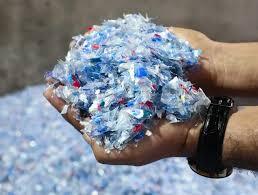
PET Flakes With Cap And label: Sustainable Recycling
-
Posted by Global Advance for Plastic Distribution Co. Ltd Filed in Business #Cold Washed PET Flakes #PET flakes with cap and label #washed PET flakes #recycling company in Yemen 142 views
In recent years, the demand for recycled plastics has surged globally — particularly for products like GAP‑YE that focus on converting waste into value. Among their offerings, PET flakes with cap and label stand out as an eco-friendly solution bridging plastic waste recycling and practical reuse. Whether you are running a packaging business, textile manufacturing, or plastic-based product line, these flakes provide a recycled alternative with reliable quality and versatile usability.
What Are PET Flakes with Cap and Label?
Basics of the Material
PET — polyethylene terephthalate — is a widely used plastic for bottles and containers. After use, these bottles often carry their original caps and labels. At GAP-YE, discarded PET bottles (with caps and labels intact) are collected and processed to convert them into reusable flakes.
The process involves sorting, removing contaminants, shredding, washing (hot or cold), and cleaning thoroughly to yield clean, uniform PET flakes. The resulting flakes retain the same molecular makeup (PET polymer) as virgin material, ensuring physical properties remain largely comparable.
Why Include Cap and Label Initially
By collecting waste bottles with their caps and labels, the process simplifies initial waste sourcing and ensures a steadier raw material flow. This inclusive collection approach supports efficient sorting and processing while diverting more plastic waste from landfills and reducing environmental burden.
Benefits and Applications
Environmental and Cost Advantages
Using PET flakes produced from reclaimed bottles helps reduce reliance on virgin plastics, thereby conserving fossil-based raw materials and lowering energy consumption associated with plastic production.
Furthermore, recycled PET flakes often come at a lower cost compared to virgin PET resin — making them attractive for manufacturers aiming to cut raw material expenses while aligning with sustainable practices.
Versatile End-Uses
The flakes from GAP-YE are suitable for a wide variety of uses across multiple industries:
-
Packaging and containers: For manufacturing new bottles, jars, and containers, including non-food or industrial packaging.
-
Fiber and textile production: PET flakes are used to create recycled polyester staple fiber (RPSF) — used in clothing, home textiles, carpets, upholstery, etc.
-
Plastic sheets, films, and moulded products: For thermoforming, lamination, films, or plastic components in furniture, furnishings, or industrial goods.
-
Strapping, sheets or packaging materials for logistics: PET straps or films offer durability and strength for shipping or storage packaging.
This wide applicability underscores how recycled PET flakes with cap and label — including those from bottles with cap and label — can meet diverse industrial needs while promoting circular economy goals.
Why Choose GAP-YE for PET Flakes with Cap and Label
Sustainable Collection & Reliable Processing
GAP-YE emphasizes eco-friendly business practices. They collect post-consumer PET bottles from across Yemen, even with caps and labels, ensuring minimal waste goes unprocessed. Their recycling plant uses advanced sorting, washing, and flaking technologies to deliver high-quality, contaminant-free flakes.
Global Distribution Network
Beyond local recycling efforts, GAP-YE distributes recycled PET flakes with cap and label worldwide. Their global market reach makes these flakes accessible to manufacturers and businesses across different continents, supporting industries in adopting recycled materials.
Consistency of Supply and Quality
Because GAP-YE handles large volumes of collected PET waste and follows systematic processing, the flakes supplied are consistent in quality and supply. This reliability matters to manufacturers who depend on steady raw material streams for continuous production.
Conclusion
For any company looking to integrate sustainable materials into their production line, PET flakes with cap and label represent a practical, cost-effective, and environmentally responsible option. Thanks to dedicated collection and processing by GAP-YE, these flakes retain the polymer’s original properties while supporting circular use of plastic resources. As global demand for recycled plastics climbs, choosing recycled PET flakes offers manufacturers a chance to reduce cost, lower environmental footprint, and meet shifting market and regulatory expectations.
-


